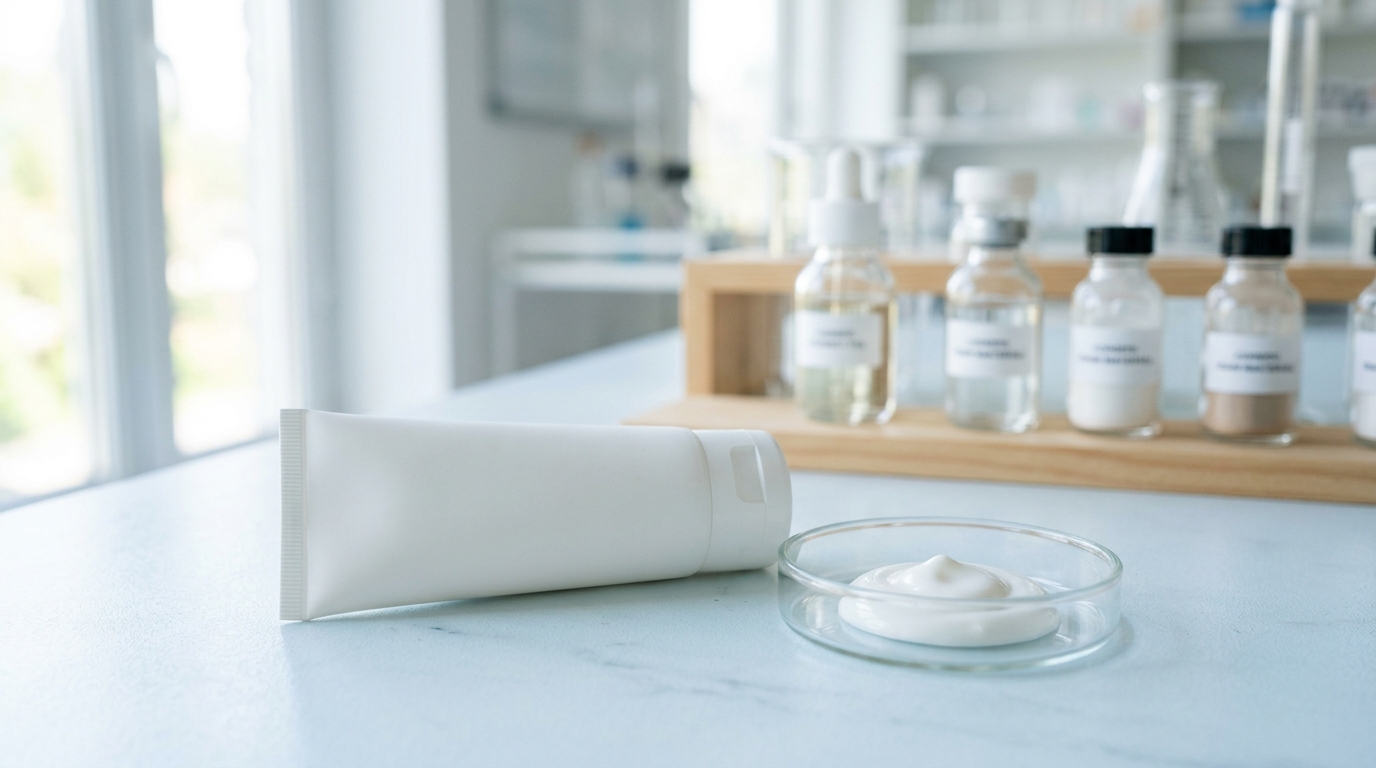
The US Food and Drug Administration has added bemotrizinol, often shortened to BEMT, to its list of permitted sunscreen active ingredients. The announcement matters because it changes the US ingredient conversation, but it does not make existing sunscreens obsolete or put a new formula on every shelf overnight.
What the FDA actually announced
On 9 June 2026, the FDA announced that bemotrizinol had been added to the list of permitted sunscreen active ingredients. That is a regulatory step, not a product launch. It means formulators can work with the ingredient under the US sunscreen framework; it does not identify a particular consumer tube as available, suitable for every skin type or ready for every retailer.
This distinction is easy to lose when a headline says “new sunscreen ingredient”. The ingredient is new to the US permitted list, not new to sunscreen science worldwide. BEMT has been used in many non-US markets, which is why some shoppers may recognise the name from ingredient discussions or products bought abroad.
Why BEMT appears in European sunscreen conversations
BEMT is a newer-generation organic UV filter designed to absorb a broad range of ultraviolet radiation and to be photostable. In plain language, it is one of the tools a formulator can use to support broad UV coverage when the finished product is correctly formulated and tested.
The useful comparison is not “European sunscreen good, US sunscreen bad”. Regulations, approval pathways and label conventions differ. A filter can be accepted in one market while the same ingredient is still moving through another review process. That is regulatory history, not a simple score for the finished product.
It also explains why SPF numbers alone are not enough. When comparing products sold in different markets, check the UVA wording or symbol, the directions, water-resistance claim where relevant, pack size and full ingredient list. Our guide to reading sunscreen labels without guessing covers the first pass, while the fragrance-sensitive ingredient checklist helps when comfort is part of the decision.

What shoppers should not assume yet
The FDA announcement does not tell shoppers that a BEMT product will be available next week. A company still has to formulate the sunscreen, carry out required testing, prepare compliant packaging and decide where it will sell the product. Retailer stock, price, size and launch timing are separate questions.
Nor does the announcement mean older filters have become unsafe or useless. Sunscreens already on the market can provide protection when their claims are appropriate, they are used in a sufficient amount and they are reapplied after events such as sweat, water, wiping or prolonged outdoor exposure.
What changed, and what did not
| Changed | Still needs checking |
|---|---|
| BEMT is now on the FDA permitted-ingredient list. | Whether a finished product exists, where it is sold and how its label reads. |
| The US ingredient pipeline has a new option. | Amount used, UVA coverage, reapplication and routine comfort. |
| Cross-market comparisons may become easier to explain. | A market label is not a promise that every formula suits every person. |
How to read a future BEMT label
If a sunscreen listing eventually includes bemotrizinol, start with the same practical checks used for any other product. Confirm the SPF, look for broad-spectrum or UVA information required in that market, read the directions and check the amount in the pack. Then ask whether the finish encourages you to apply enough and reapply later.
Do not buy a product simply because one ingredient is newsworthy. A filter can be scientifically interesting while the finished formula still feels greasy, pills under makeup, stings the eyes or comes in a size that is too small for the way you use it. Our mineral versus chemical comparison explains why the filter category is only one part of the decision.
Questions worth asking at the shelf
- Is the claim clear on the actual pack, not just a retailer headline?
- Does the product explain UVA protection in the way the market expects?
- Can you use the recommended amount without bargaining with the texture?
- Will the bottle survive the bag, commute or holiday routine?
- Is the formula current, with expiry or batch information where appropriate?
Does BEMT mean better protection automatically?
No. BEMT gives formulators another tool. Finished protection depends on the whole formula, the evidence behind its claims, the way it is applied and what happens during the day. A product with a new-sounding filter can still be a poor practical choice if people use too little or fail to reapply after wiping and swimming.
For now, the sensible response is interest without panic. Keep using a sunscreen you can apply generously and repeat. If a BEMT product becomes available, compare it by label, finish, price per usable amount and use case rather than treating the ingredient name as a shortcut.
Questions readers are asking
Is BEMT the same as Tinosorb S?
BEMT is the ingredient name used in the FDA announcement. Tinosorb S is a trade name used in other contexts. Check the legal ingredient list and local label rather than relying on a nickname.
Will my current sunscreen stop working?
No. The regulatory change does not remove the claims from existing products. Continue to follow directions and replace sunscreen when it is expired or the pack has been compromised.
When will BEMT sunscreens be in US shops?
The FDA announcement does not set a universal retail date. Availability depends on formulation, testing, packaging, launch decisions and retailer supply.
Should I wait for a BEMT product before buying sunscreen?
No. Choose a current product with clear protection information, a workable texture and a realistic pack size. Waiting for a future launch can leave today’s routine without a usable sunscreen.
Sources and further reading
- FDA: sunscreen options expand for the first time in 20 years
- Harvard Gazette: why the new ingredient matters
- FDA consumer sunscreen guidance
The practical conclusion: BEMT is meaningful regulatory news, especially for US sunscreen shoppers, but it is not a reason to discard the current shelf. Treat the ingredient as one new option in a longer process, then judge the finished product by evidence, label clarity and whether you can use it properly.
Why the ingredient story matters to label readers
Ingredient news becomes useful when it helps explain why two bottles from different markets do not look identical. One label may name a filter directly, another may use a trade name, and a third may emphasise a broad-spectrum claim without making the filter the headline. None of those presentation choices tells you, on its own, which product will feel best on your skin.
For a careful comparison, record the market, product size, SPF, UVA wording, water-resistance statement and directions before you compare price. If the product is being imported, check that the label and retailer information match the market where you will use it. Formula photos can be old, stock can change and a product page can omit the exact wording printed on the tube.
That is the practical value of understanding BEMT: it gives shoppers context for a regulatory difference without turning one filter into a buying command. The finished sunscreen still has to earn its place through clear claims, a usable texture and a routine that can be repeated.