Article library
All SPF Edit articles in one place.
Use this page as the main entrance to the SPF Edit library. Every published article appears once, grouped by the reason a reader would look for it.
Daily SPF essentials
Everyday amount, missed areas, hands, scalp, winter daylight and repeatable habits.
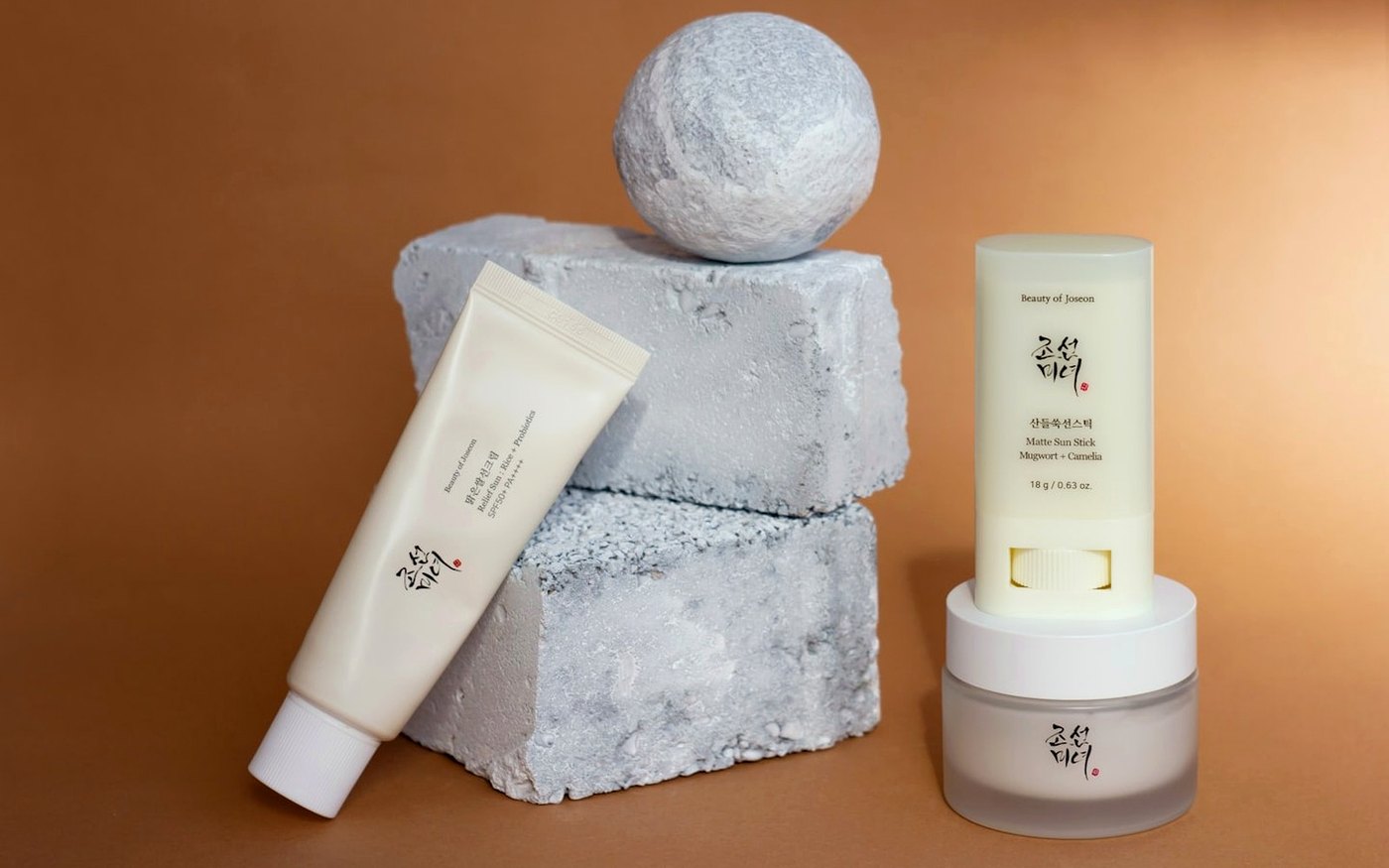
Best daily SPF products for different skin types in the UK
A UK-focused daily SPF buying guide by skin type, finish, sensitivity, routine and pharmacy availability.

Body sunscreen for everyday arms and shoulders
Face SPF gets most of the shopping attention, but arms and shoulders often need a more economical product with a different feel. For body use,

How much sunscreen to use on face and neck
A practical guide to how much sunscreen to use on the face and neck, with coverage checks and reapplication context.
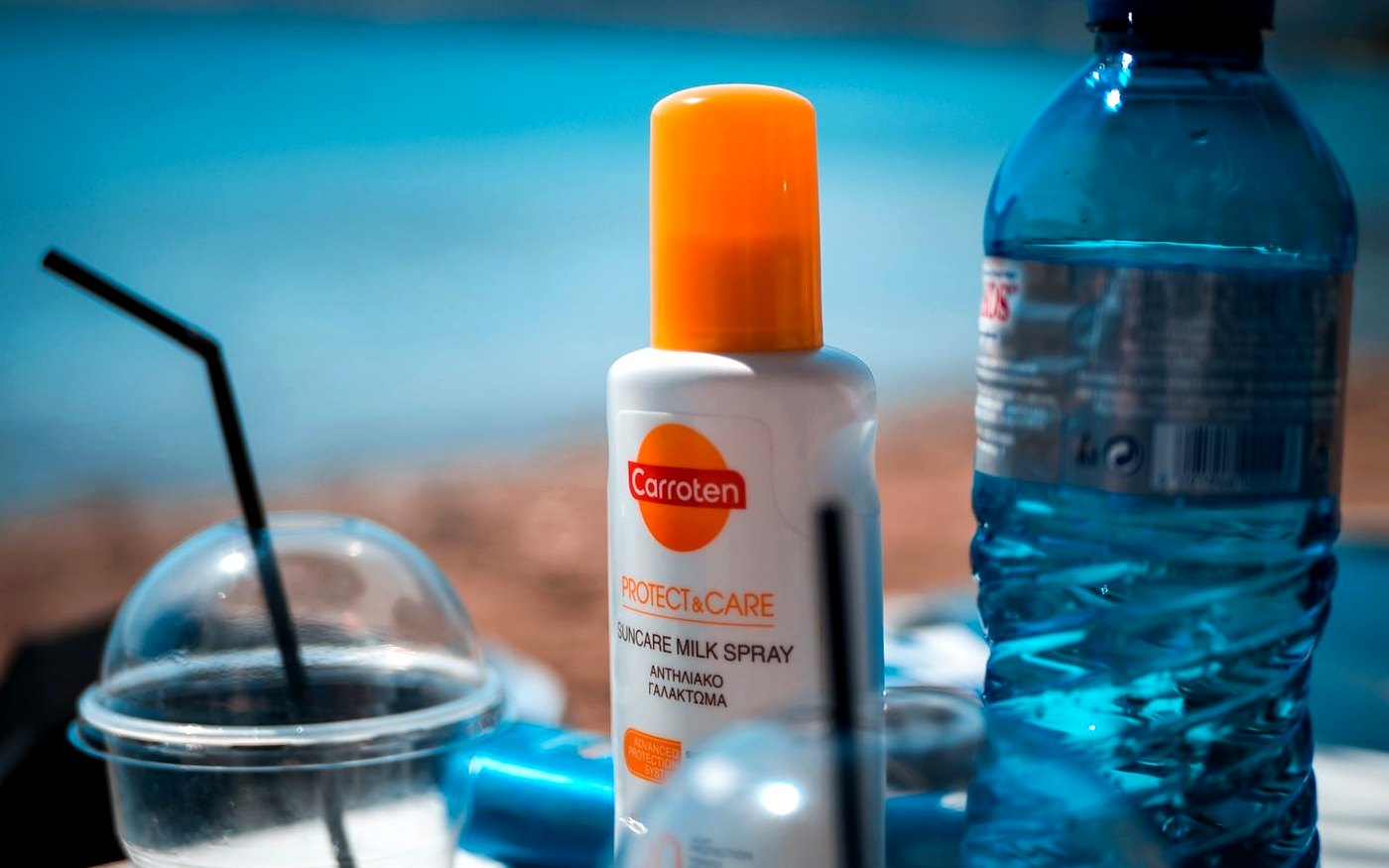
Neck, ears and hands: the SPF areas people forget
Face sunscreen gets the attention, but necks, ears and hands often take the same daylight without the same routine. The practical fix is placement:
SPF for people who dislike skincare steps
Some buyers do not want a ten-step routine. They want one sunscreen that does not smell strong, sting, shine or make them late. The winning product
SPF mistakes that make protection less reliable
Common SPF mistakes that make protection less reliable, including under-application, missed areas and weak reapplication habits.
Sunscreen for hands after washing and sanitiser
Hands lose sunscreen quickly because people wash, sanitise and touch surfaces all day. A morning-only face routine does not solve that. Keep a
Sunscreen for office windows and winter daylight
A grey UK day can still involve daylight through windows, lunch walks and commuting. Sunscreen decisions are not only for holidays. Daily SPF is
Sunscreen for scalp partings and thinning hair
A scalp parting can burn before someone notices it. Hair makes application awkward, so the format matters more than a perfect face finish. Compare
Skin type and sensitive skin
Sensitive, oily, dry, combination, acne-prone, redness-prone and deeper skin tone routes.
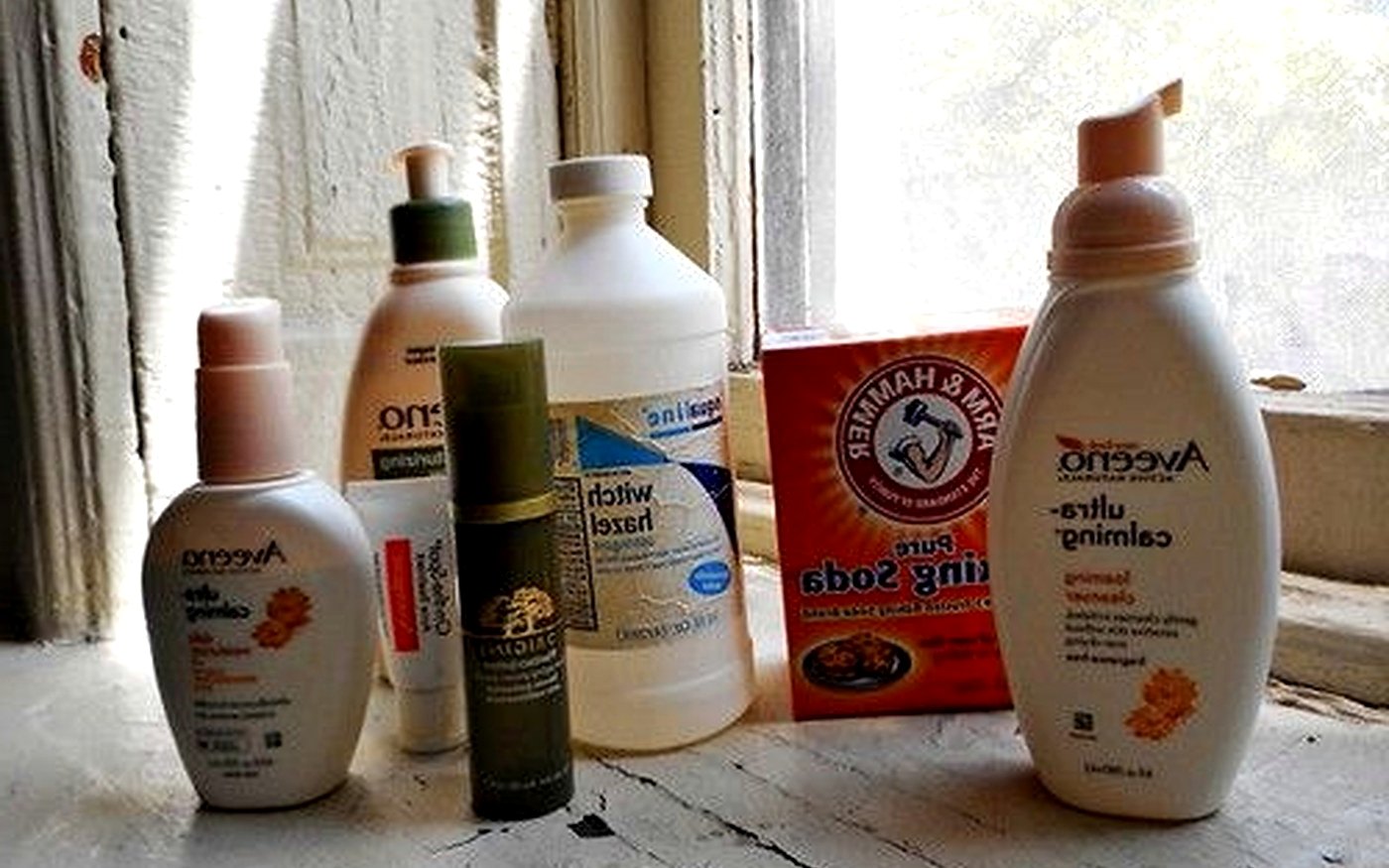
Best SPF for sensitive skin and barrier repair routines
A sensitive-skin SPF guide for barrier-aware routines, fragrance checks, patch testing and low-friction daily use.
Combination skin SPF: how to choose one face product
Combination skin often gets treated like two separate faces. A simpler approach is to choose the finish for the oiliest zone and add moisture only
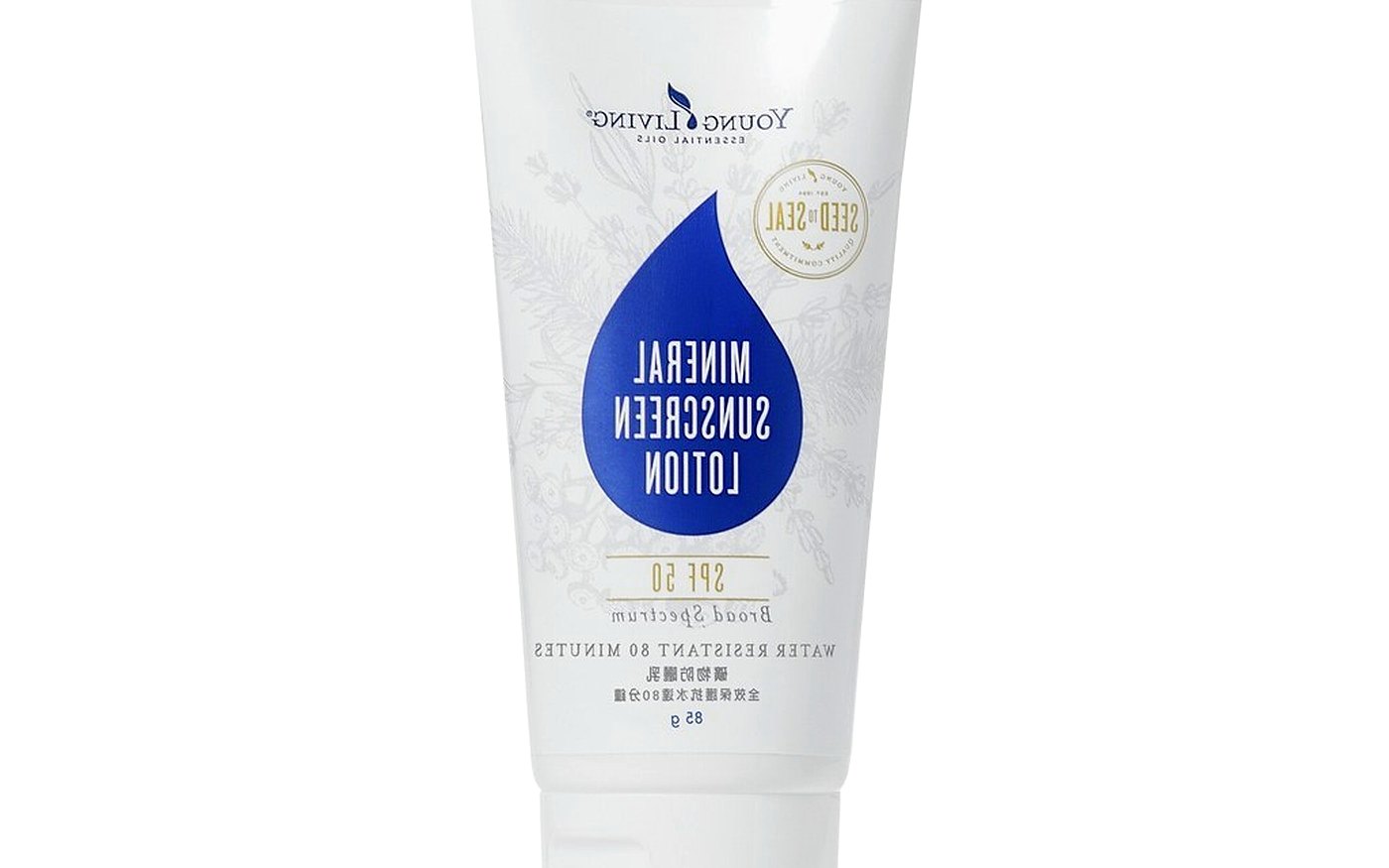
Eye-sting sunscreen: label clues and application habits
Eye sting can make a good sunscreen unusable. The label will not predict everything, but it can help you avoid repeat mistakes. Treat the eye area as
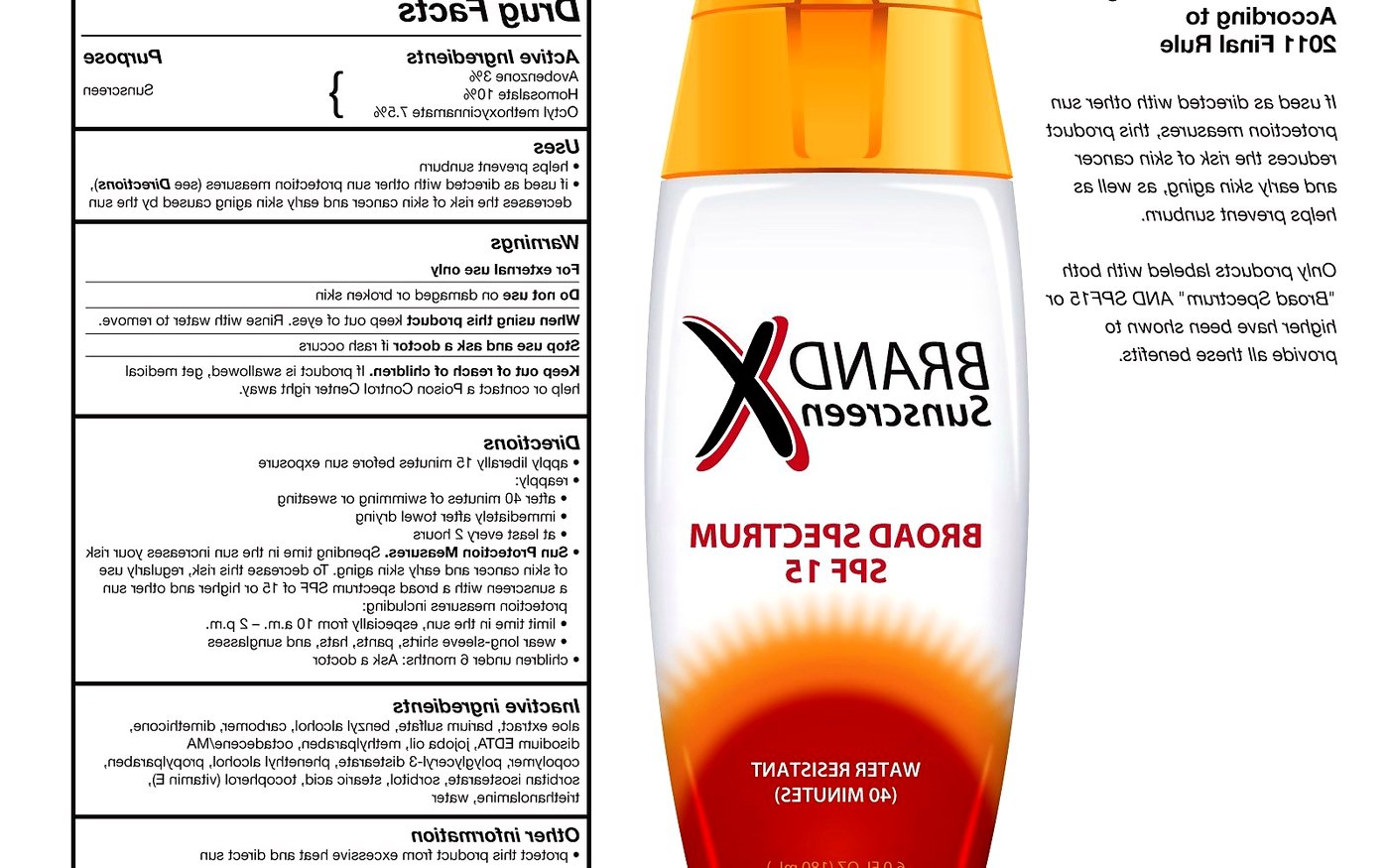
Ingredient checklist for fragrance-sensitive buyers
A practical sunscreen ingredient checklist for fragrance-sensitive buyers, including label wording, patch testing and routine fit.
Invisible sunscreen for darker skin tones: what to check
White cast is not a minor cosmetic detail if it stops someone applying enough sunscreen. Buyers with deeper skin tones need texture clues before they

Patch testing sunscreen without turning it into a lab project
Patch testing gets mentioned a lot, but most shoppers need a simple habit rather than a fake home experiment. Try one new sunscreen at a time, use a
SPF for redness-prone routines without adding drama
When skin already looks flushed or reactive, a loud routine makes shopping harder. Sunscreen can still be practical if the surrounding steps are
Sunscreen for acne-prone routines without overpromising
Acne-prone shoppers often get promised too much by labels. A sunscreen can be compatible with a routine without claiming to treat breakouts. Focus on.
Sunscreen for dry skin when your face feels tight
Dry skin can make sunscreen feel patchy or chalky, especially in winter or after a hot shower. The better question is whether the whole morning
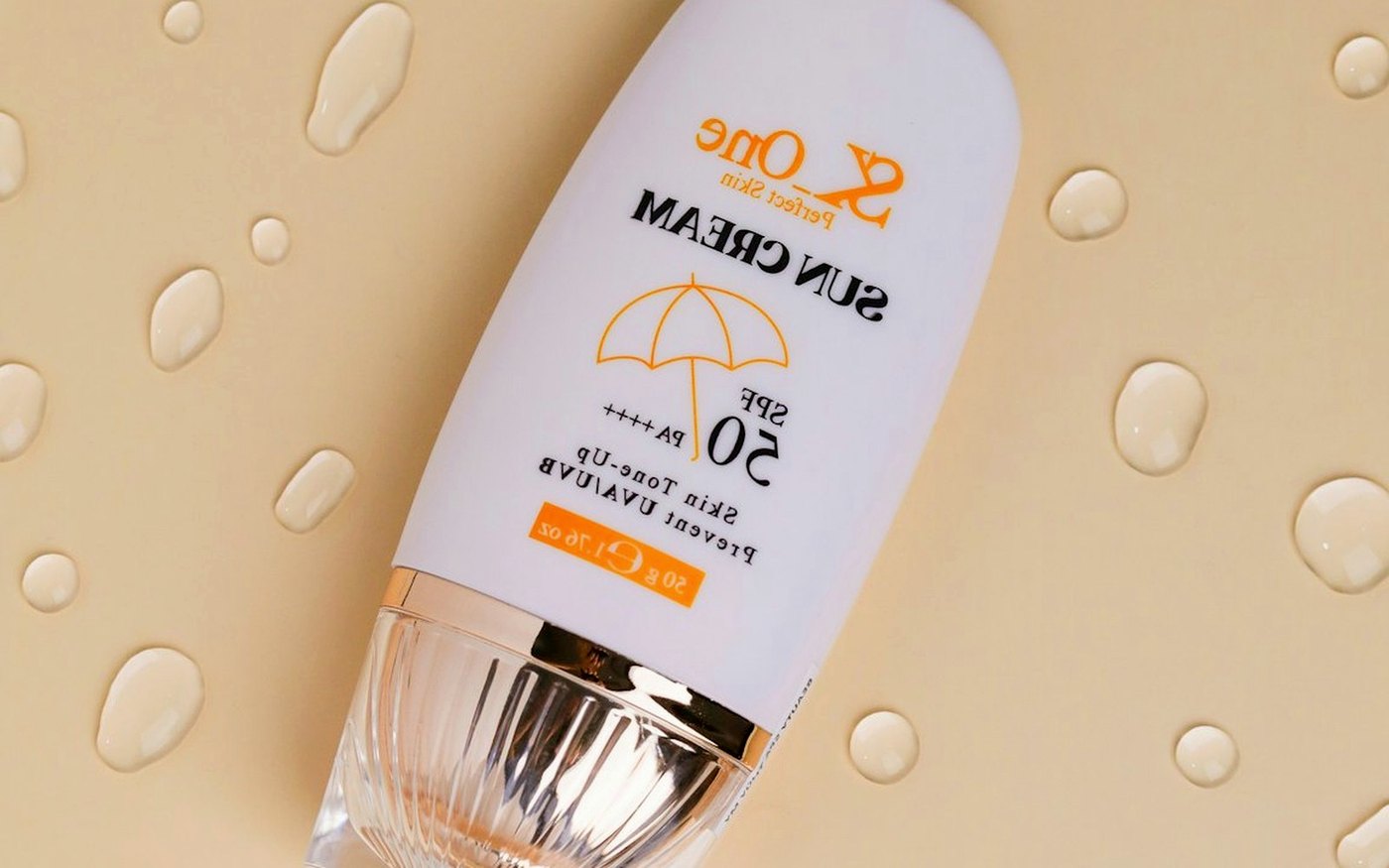
Sunscreen for oily skin without a heavy shine
Your SPF looks fine at 8 a.m. and slick by lunch. The fix is usually texture, amount and what sits underneath, not skipping sunscreen. Oilier skin
Texture, finish and format
Matte, dewy, gel-cream, stick, spray, tinted and primer-like sunscreen decisions.
Dewy sunscreen without looking greasy
Dewy is not the same as greasy, but product pages often blur the difference. The right dewy SPF should look intentional, not like it never set.
Gel cream sunscreen: who usually likes the texture
Gel creams often appeal to oily or combination skin because they feel lighter at first touch. That does not mean every gel cream dries matte. Judge
Matte sunscreen without a chalky finish
Matte sunscreen can help shine, but a flat chalky finish can make skin look dry or ashy. The trick is avoiding over-correction. Look for a soft-matte.

Primer-like sunscreen: good under makeup or too silicone-heavy?
Some sunscreens feel like makeup primer, which can be useful or annoying depending on the rest of your routine. Check whether the slip helps
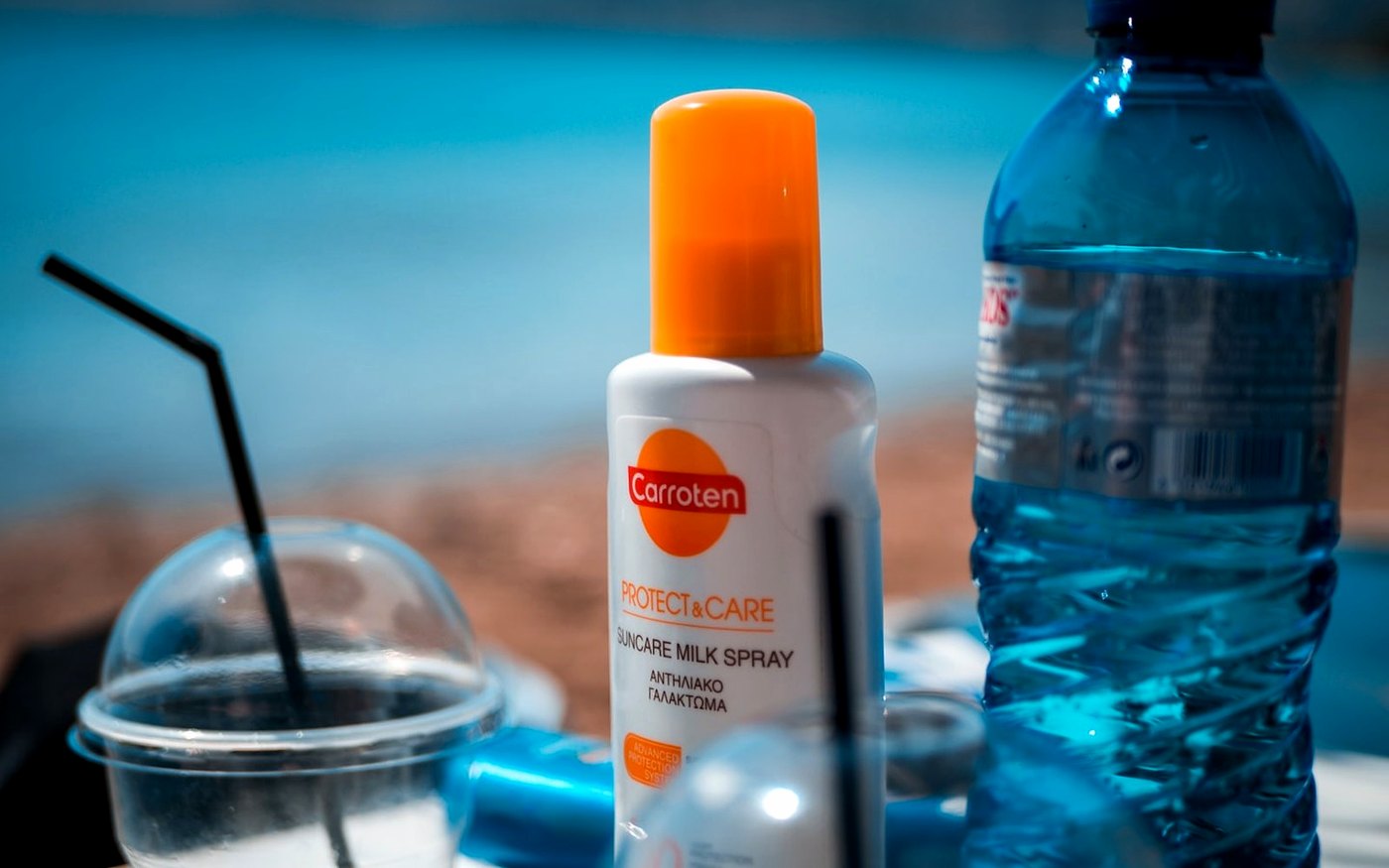
Spray sunscreen: convenient, but easy to under-apply
Spray sunscreen is useful for bodies, awkward areas and quick top-ups. It is also easy to apply too lightly or miss windy conditions. Treat sprays as
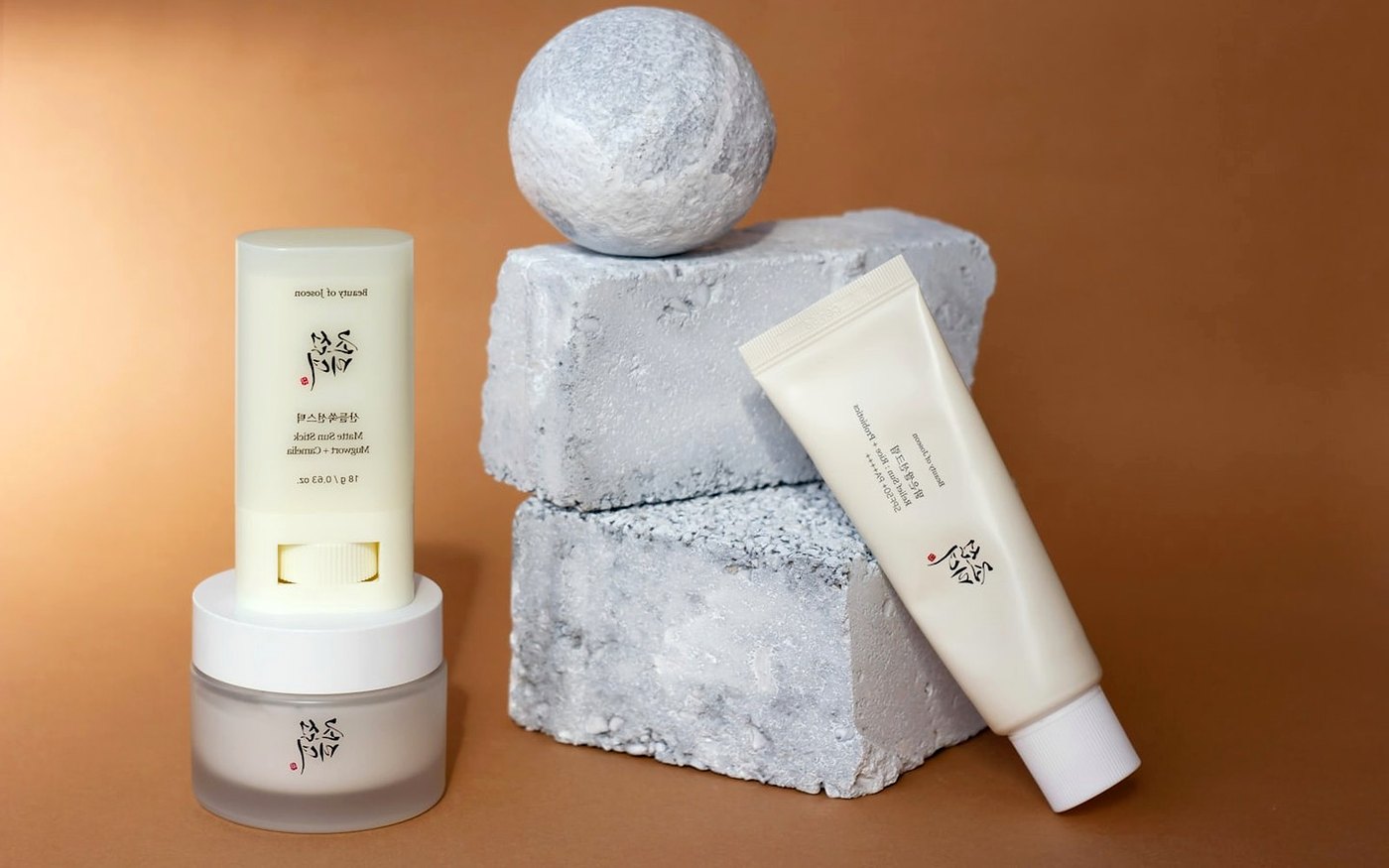
Sunscreen sticks for reapplication: where they work best
Stick sunscreen can be tidy and portable, especially for nose, cheeks, ears and travel bags. It can also drag if the texture is too waxy. Use sticks
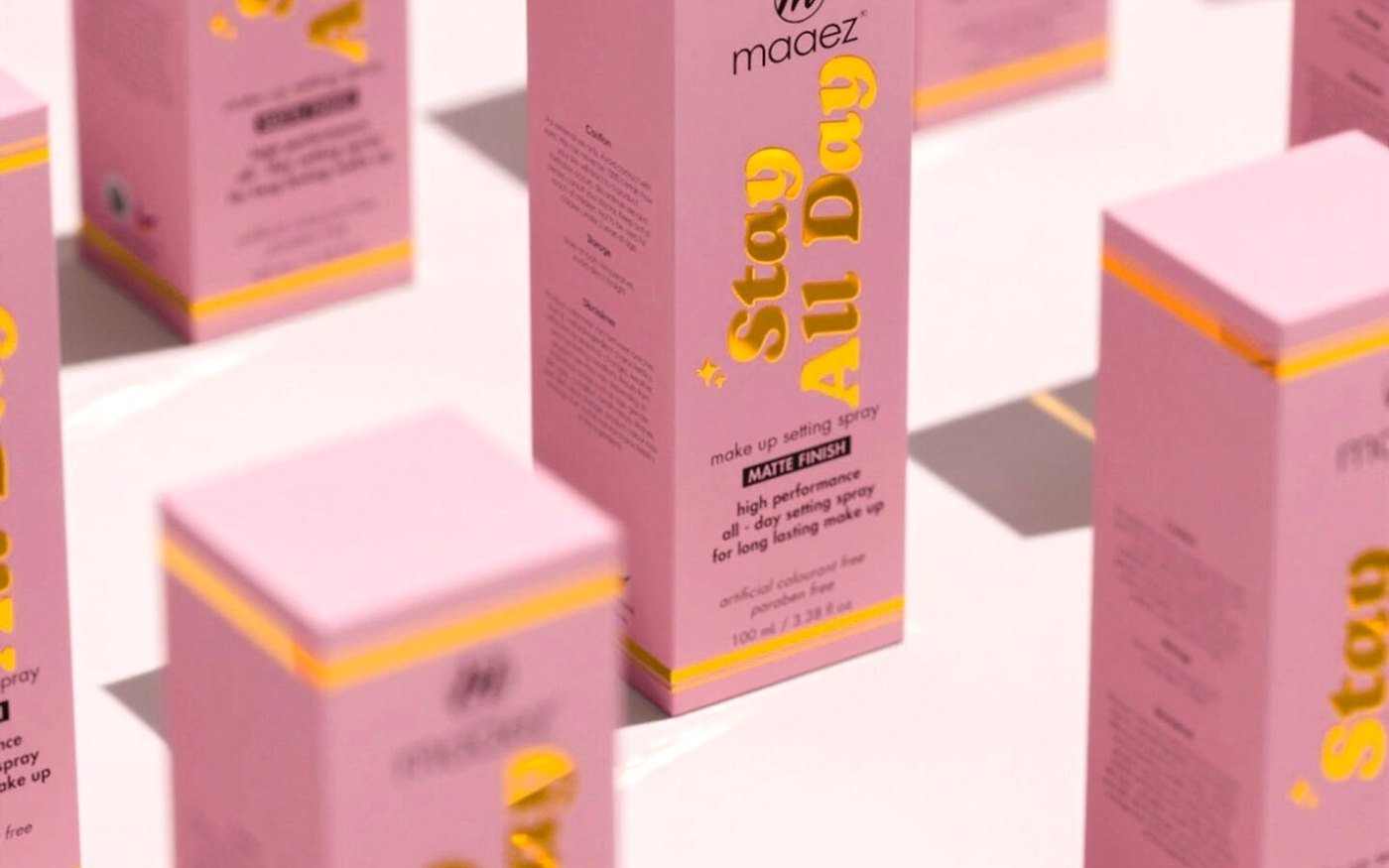
Tinted sunscreen vs untinted SPF for daily use
Tinted sunscreen can reduce white cast and even out tone, but it can also transfer, oxidise or feel makeup-like. Untinted SPF is simpler but not
Routine and makeup
Layering SPF with skincare, makeup, retinoids, facial hair and pilling-prone routines.
How to build a simple morning skincare routine with SPF
How to build a simple morning skincare routine with SPF, including layering, pilling checks and product order.
How to stop sunscreen pilling under makeup
Pilling feels like a product failure, but it is often a layering problem. Too many gels, silicones or rushed steps can roll into crumbs before

Moisturiser with SPF or separate sunscreen?
A moisturiser with SPF can suit short, low-fuss mornings. It can also be under-applied because people use it like moisturiser, not sunscreen. The
Reapplying sunscreen over makeup without wrecking the base
Reapplication advice often sounds neat until there is foundation, powder and a work bathroom involved. You need a method you will use, not a perfect.
SPF with retinoids or exfoliating acids: a cautious routine note
If a routine already includes retinoids or exfoliating acids, sunscreen should be the dependable part, not another experiment. Do not chase a
Sunscreen for beards, stubble and hairlines
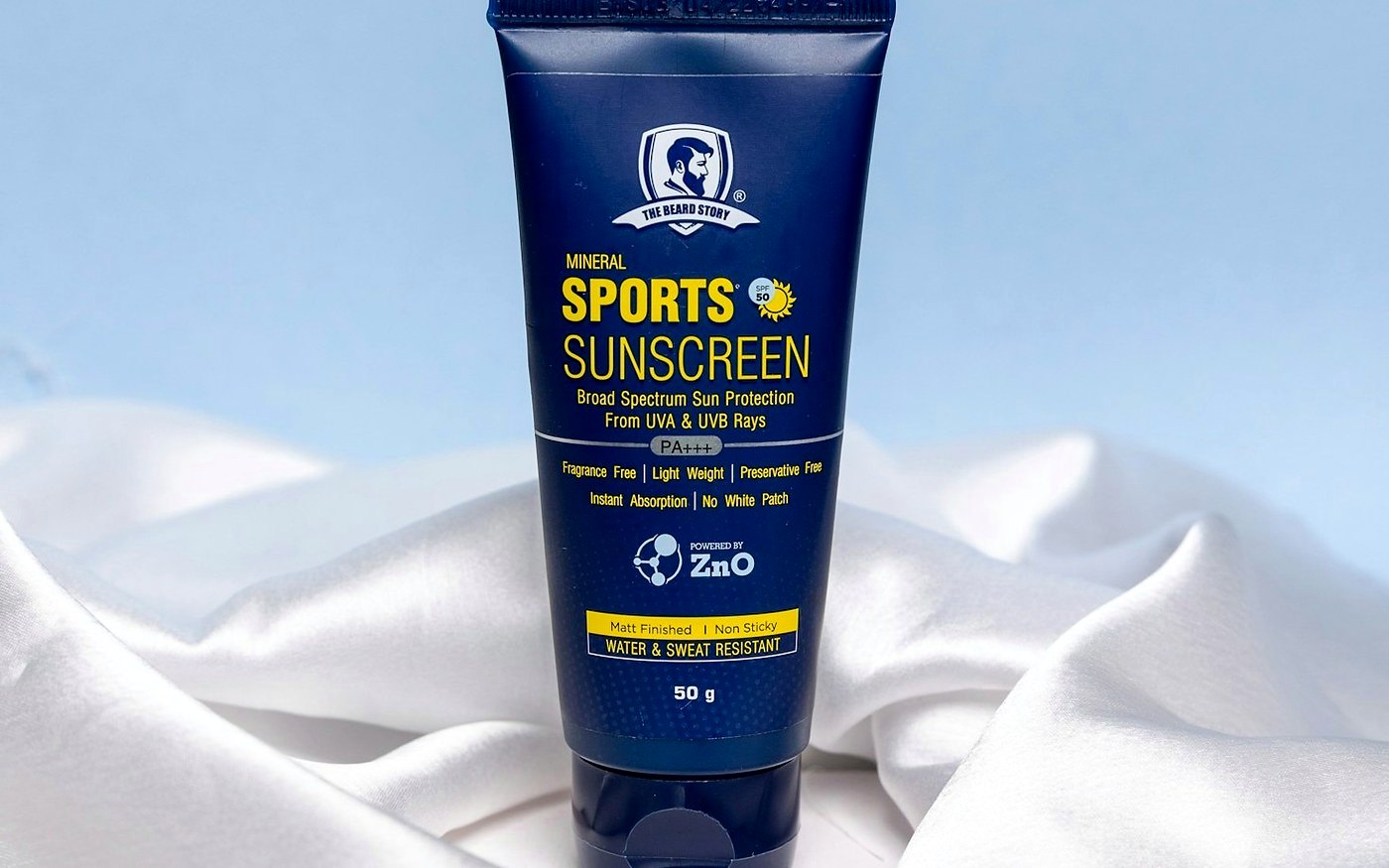
Facial hair changes how sunscreen spreads. It can also hide missed skin around cheeks, jaw, ears and the hairline. Use texture and application method
Ingredient and label notes
SPF numbers, UVA terms, fragrance-free claims, filters, expiry and packaging claims.
Alcohol denat in sunscreen: when buyers notice it
Alcohol denat can help a sunscreen feel lighter and dry faster. Some buyers also notice tightness, smell or eye sting. Treat it as a comfort clue
Chemical sunscreen filters in the UK and US: buyer differences
UK and US sunscreen shelves do not always use the same UV filter options. That can explain why imported favourites feel different or are not sold.
Fragrance-free sunscreen: what the claim does and does not say
Fragrance-free is useful, but it is not a promise that every sensitive buyer will be comfortable. It simply removes one common source of irritation
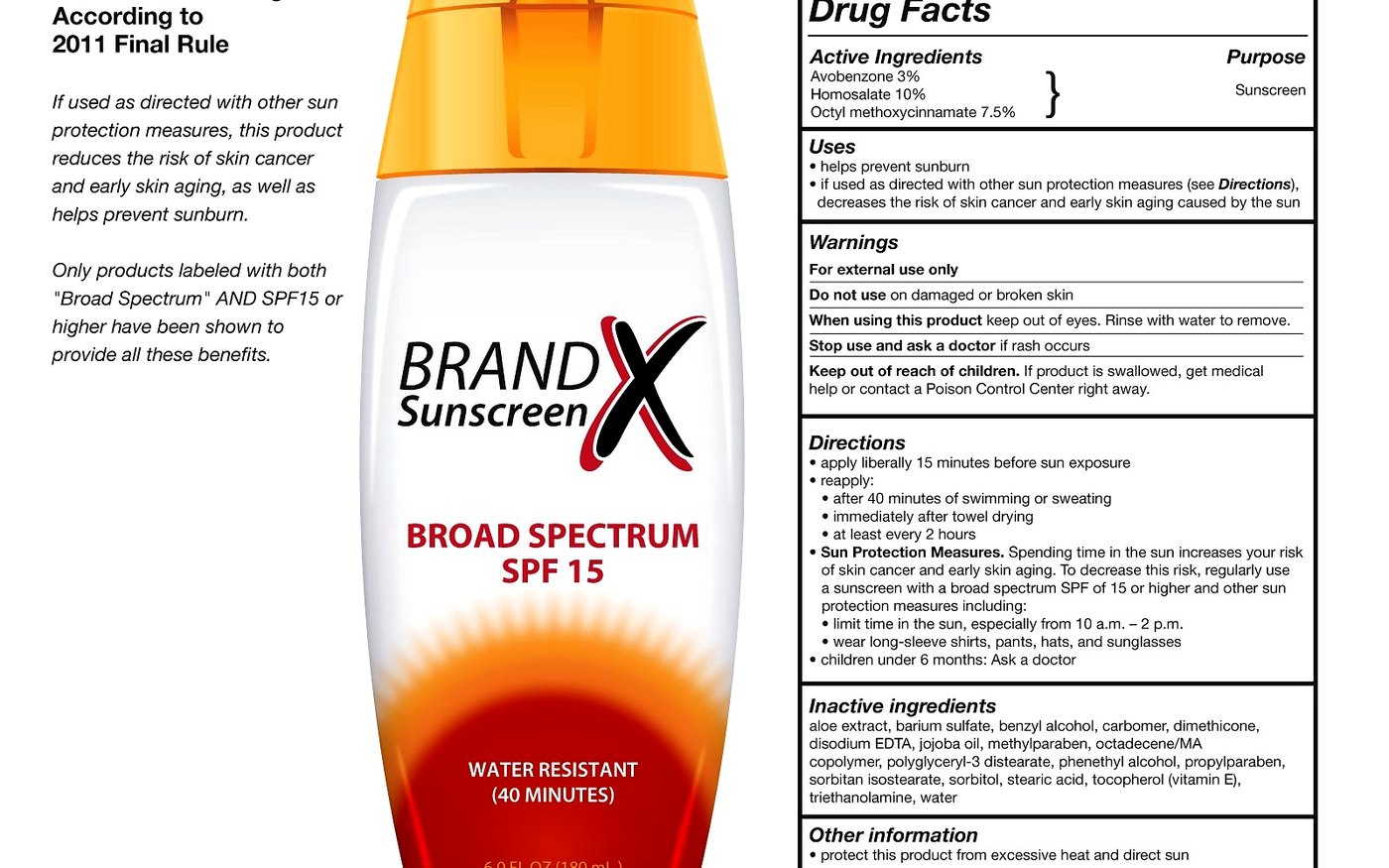
How to read sunscreen labels without guessing
How to read sunscreen labels clearly, including SPF, UVA, water resistance, fragrance, expiry and directions before buying.
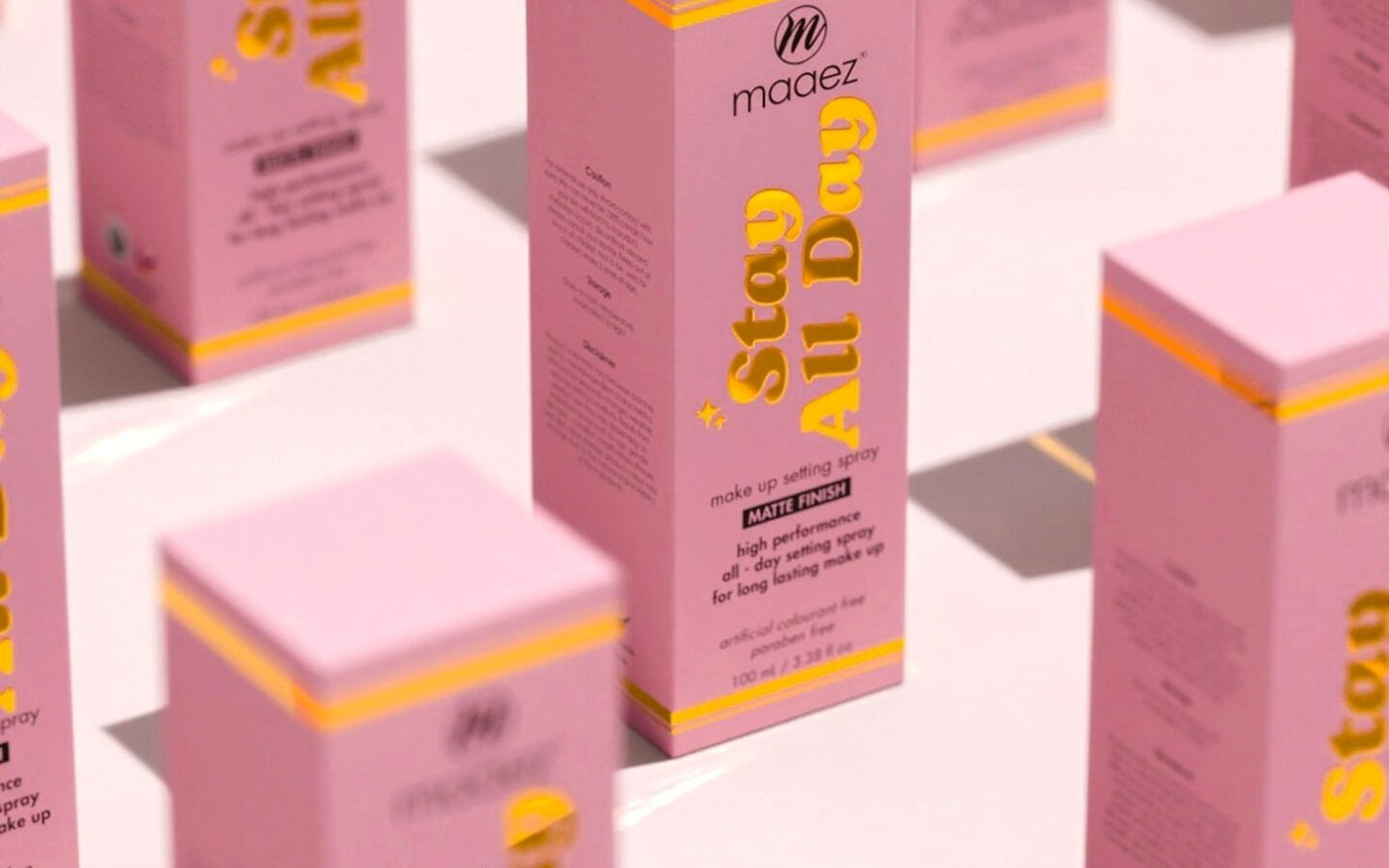
Mineral sunscreen white cast: what changes the result
Mineral sunscreen does not always mean obvious white cast, but it raises the risk for many buyers. Formula, tint and skin tone all affect the result.
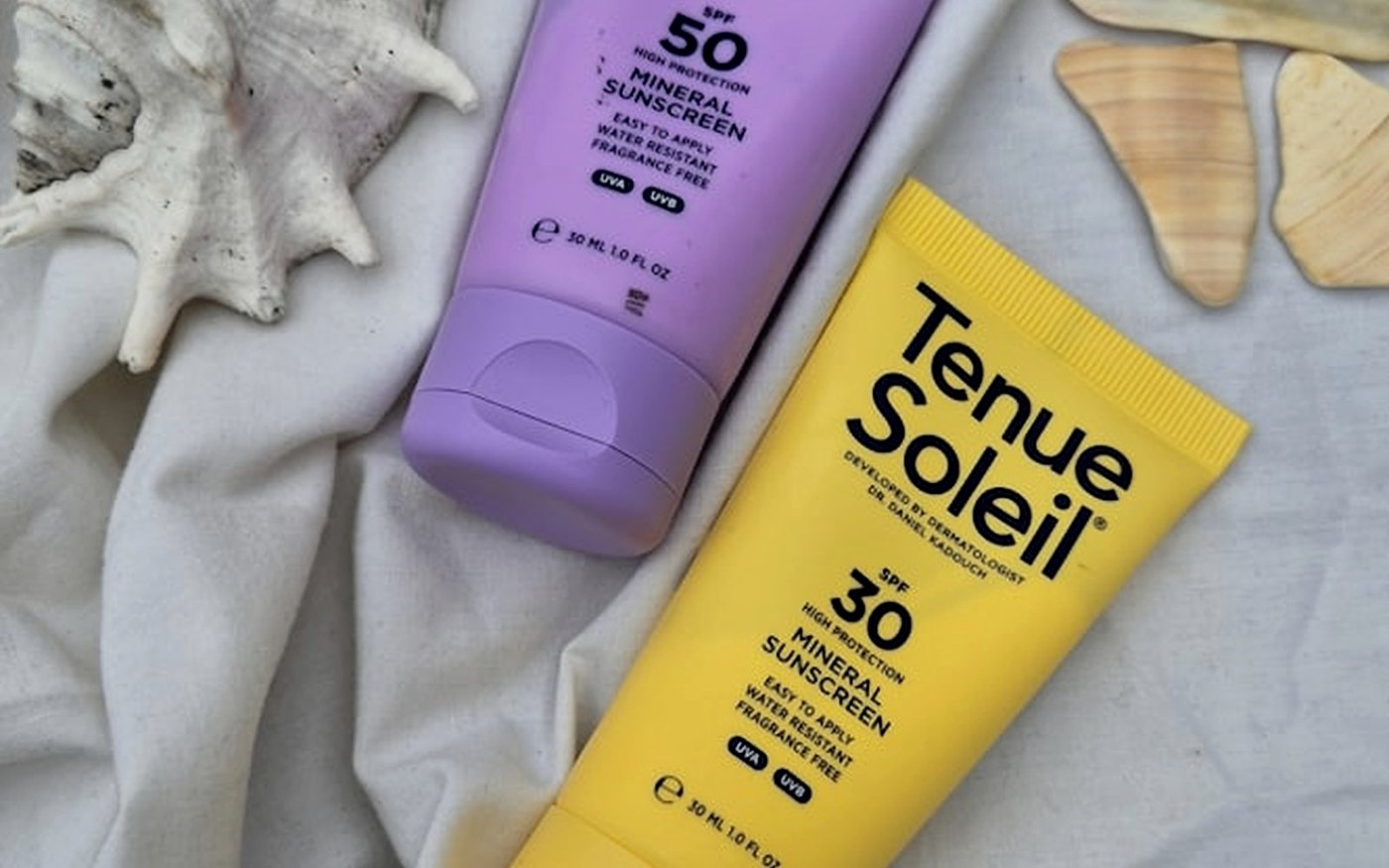
Mineral vs chemical sunscreen: practical differences
Mineral vs chemical sunscreen explained in practical terms for finish, cast, sensitivity, availability and everyday use.
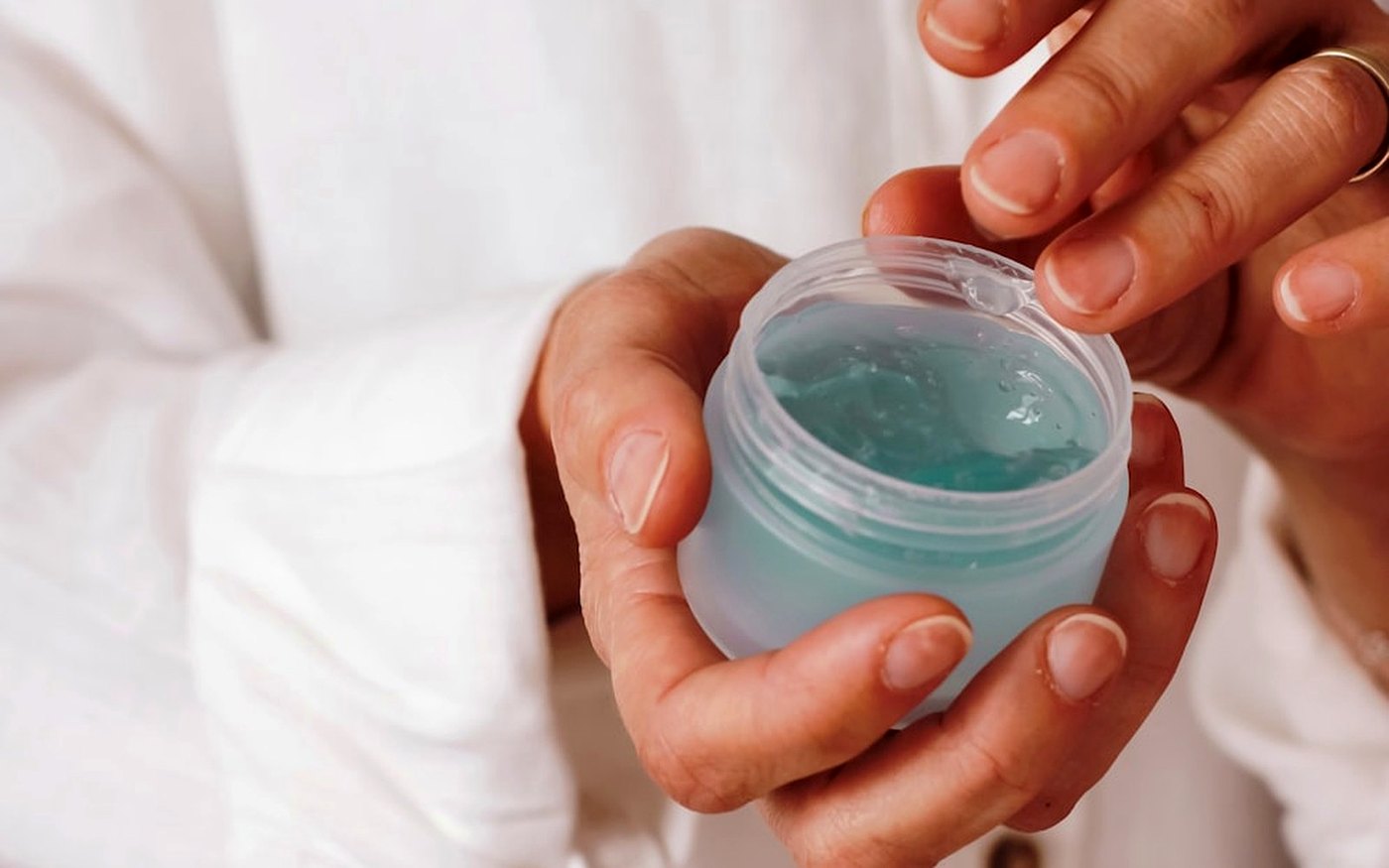
Non-comedogenic sunscreen: useful clue or weak promise?
Non-comedogenic sounds precise, but on a shelf it is still a broad marketing claim. The more useful question is how the formula behaves on your skin
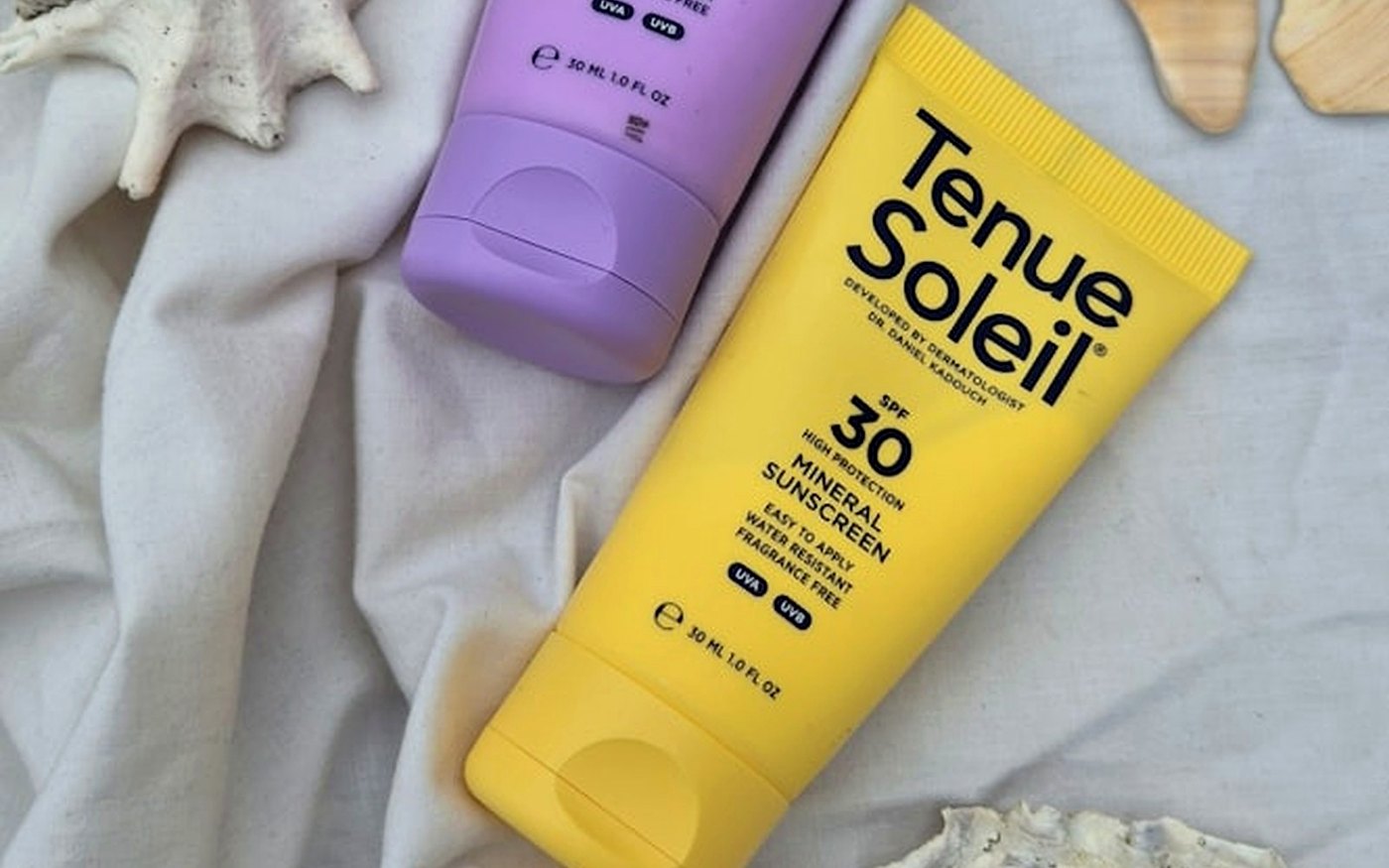
PA++++, UVA circle and broad spectrum: quick label translation
UVA labels vary across markets, and shoppers often see PA++++, UVA circle or broad spectrum in the same search session. Translate the symbol before.
Reef-safe sunscreen claims: why the label needs context
Reef-safe sounds reassuring, but it is not a single regulated global standard. The phrase can mean different things on different bottles. Read
Sunscreen and vitamin D: how to read advice carefully
Vitamin D questions deserve careful wording. A sunscreen buying site should not pretend to replace medical advice. Use public health guidance as the.
Sunscreen expiry and storage: when to replace a bottle
A half-used bottle from last summer can look fine and still be a poor bet. Heat, age and missing caps all matter. Read the expiry mark, note the
Sunscreen with niacinamide: helpful extra or label noise?
Niacinamide can be a useful skincare ingredient, but in sunscreen it is still secondary to protection, comfort and enough application. Do not buy an
The plain-English SPF glossary for new sunscreen buyers
Sunscreen labels use a lot of small words that carry big meaning. New buyers do not need a chemistry lecture; they need a translation they can use at
Budget and pharmacy
Boots, Superdrug, pharmacy shelves, pack size, price-per-ml and budget comparisons.

Best pharmacy sunscreen formats to compare first
Cream, fluid, spray, stick and gel all solve different problems. The best format depends on where and when you will reapply. Start with format, then.
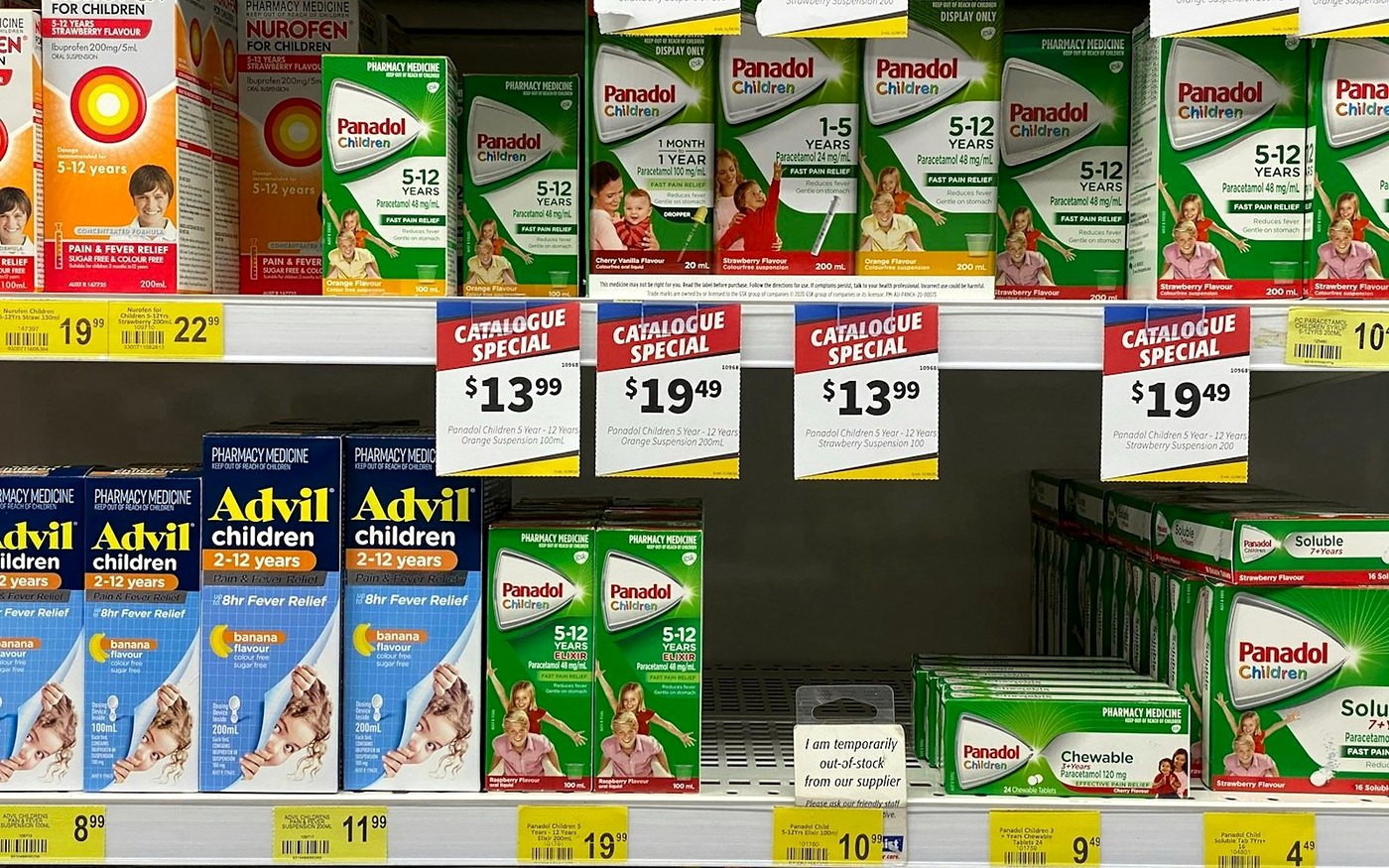
Best pharmacy sunscreen options to compare first
How to compare pharmacy sunscreen options first, including pack size, price per ml, label clarity and routine fit.
Budget sunscreen vs premium SPF: where the money goes
A higher price does not automatically mean better daily protection. It may buy a nicer finish, packaging, tint range or brand preference. Judge
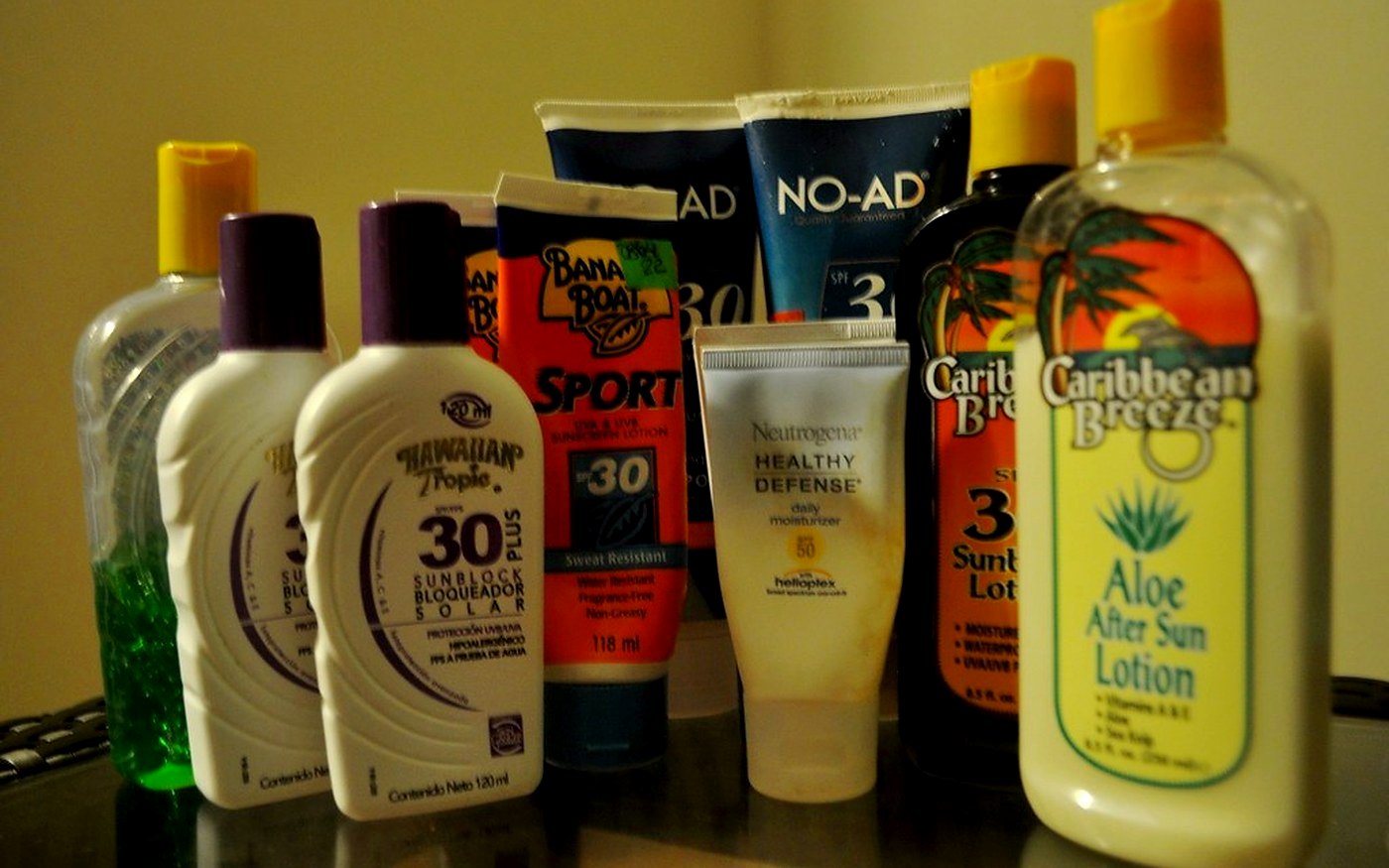
How to compare Boots and Superdrug sunscreen shelves
UK pharmacy shelves can make sunscreen feel like a wall of similar tubes. The useful comparison starts before brand preference. Compare SPF/UVA
K-beauty sunscreen shopping in the UK: what to verify
K-beauty sunscreens are popular for elegant textures, but marketplace listings need the same label discipline as any pharmacy product. Check seller.
Price per ml: the sunscreen comparison most people skip
Two sunscreens can look similarly priced until you check the bottle size. Price per ml is a useful reality check before falling for a discount
Outdoor, travel and water resistance
Beach, swimming, running, hiking, heatwaves, snow trips and carry-on packing.
Beach bag SPF: what to pack for a full day outside
A full beach day usually needs more sunscreen than people pack. One small face tube is not a family plan or a body plan. Think in volume, shade,.
Carry-on sunscreen: airport liquids and travel sizes
The sunscreen that suits your skin is not always the one that fits a clear liquids bag. Travel shopping needs a different constraint list. Plan size,
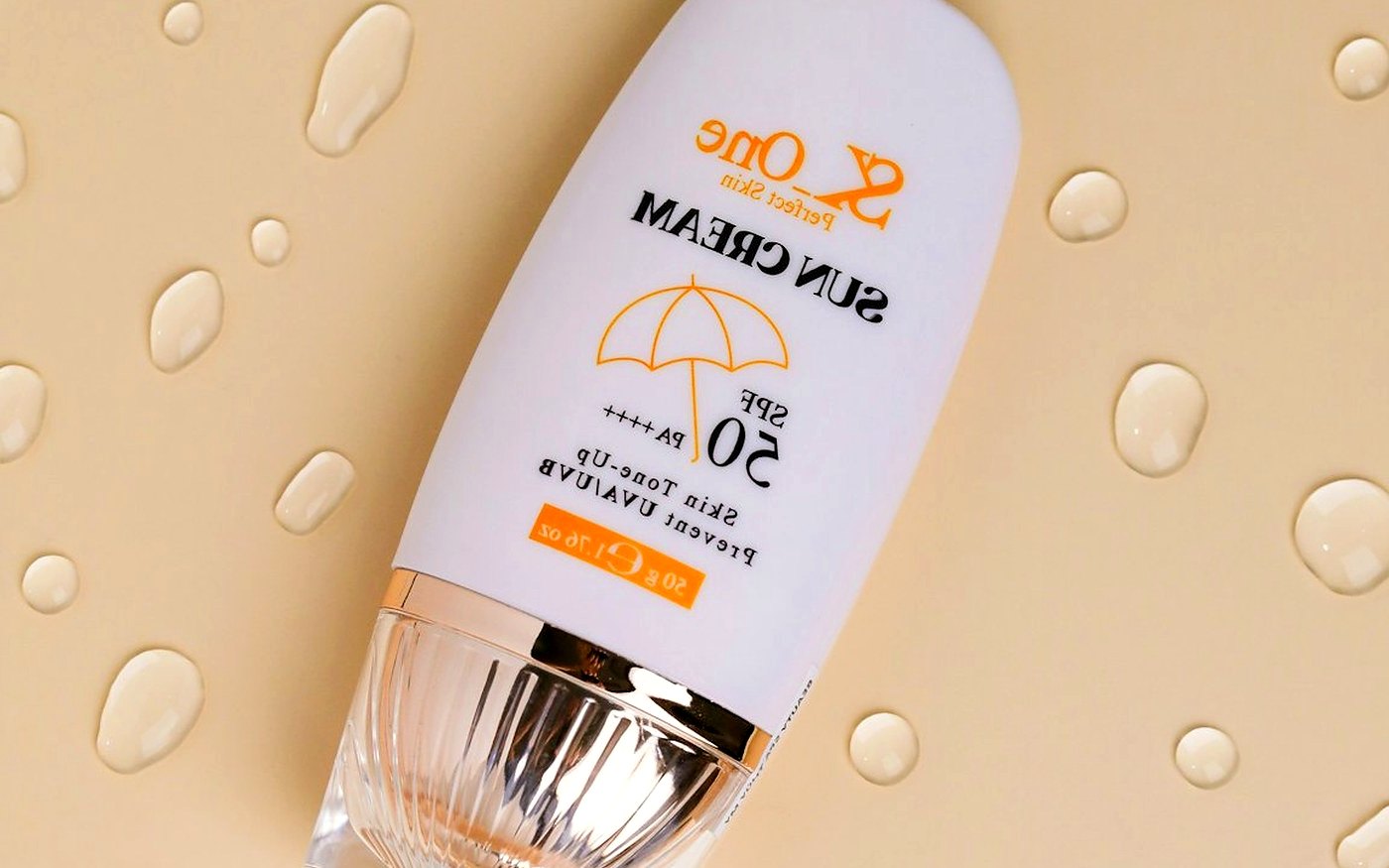
City commute SPF: sweat, pollution and bag-friendly formats
Commuting sunscreen has to survive heat, collars, headphones, rain and a bag. A glossy beach cream may not be the best weekday choice. Prioritise a.
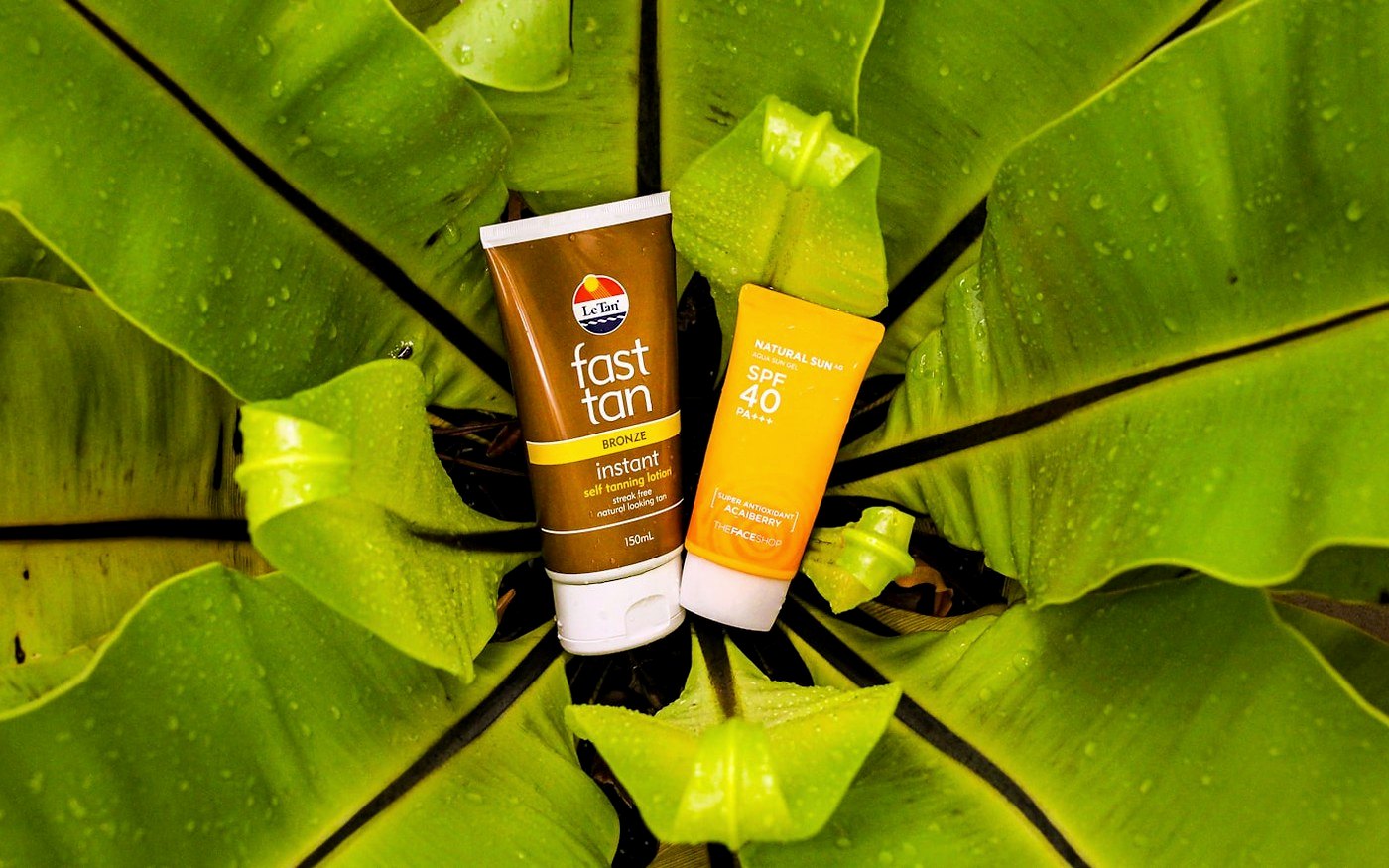
Heatwave SPF checklist for UK shoppers
During a heatwave, the best sunscreen is often the one you can buy again quickly and use generously. Scarce, expensive products can discourage enough.
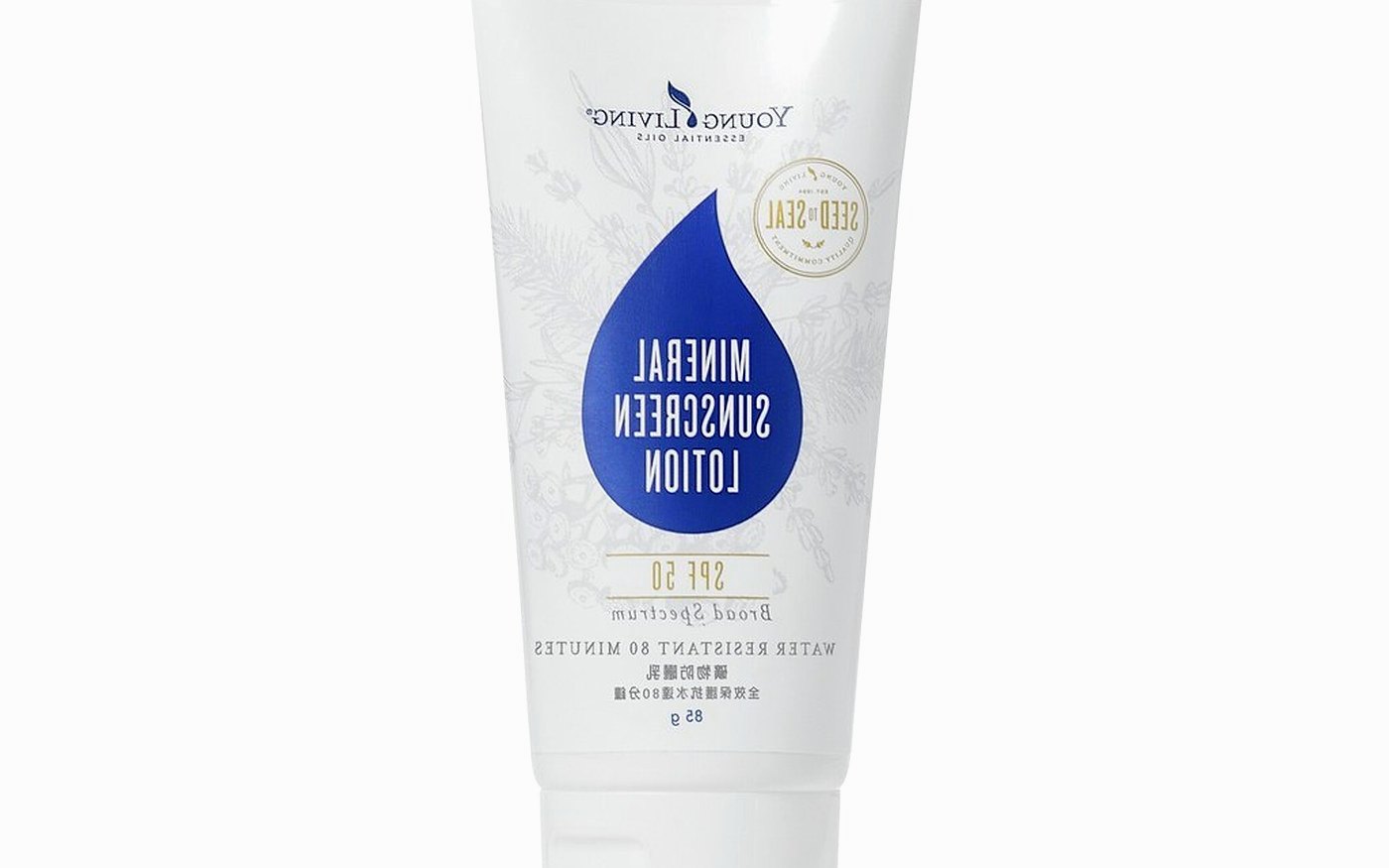
Hiking sunscreen checklist for UK weekends
A hill walk can shift from cloud to full sun without warning. The sunscreen that lives in a bathroom cabinet will not help if it never reaches the.
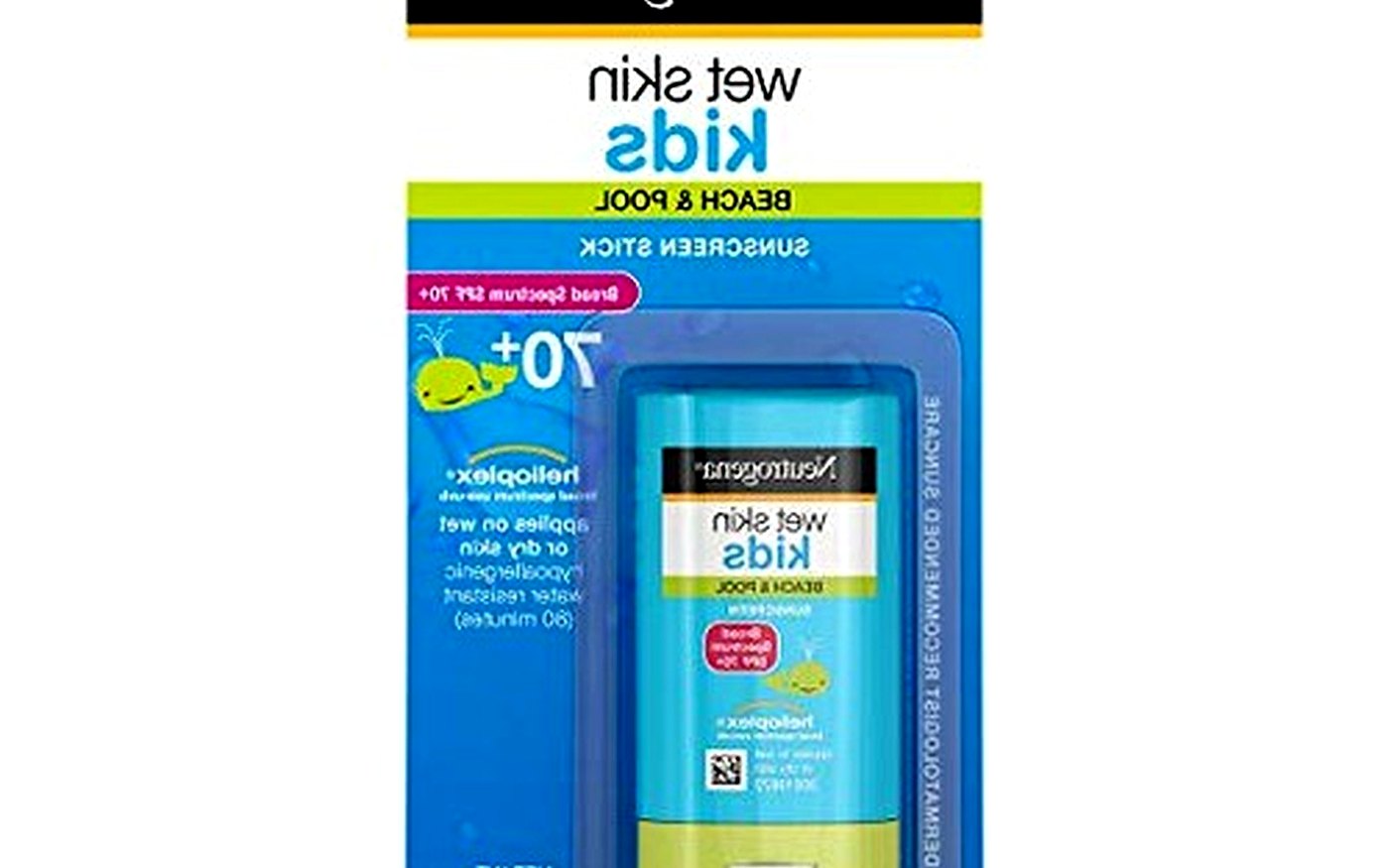
Kids and family sunscreen labels: what adults should read first
Family sunscreen shopping can turn into panic buying before a holiday. Adults still need to read the same basics: SPF, UVA, directions, age wording
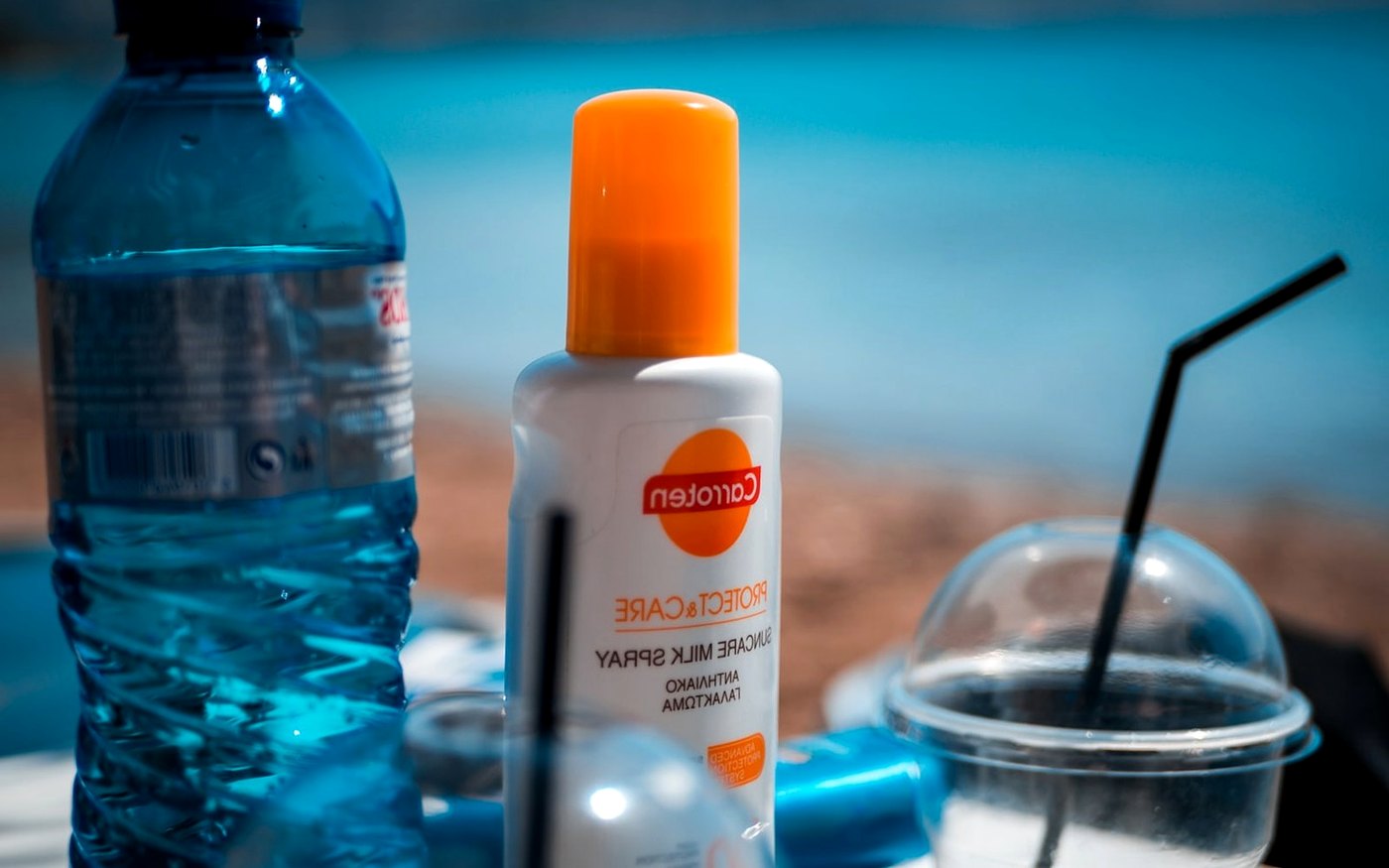
Outdoor running SPF: what matters before mileage
Running sunscreen needs to stay out of eyes and keep working while you sweat. The usual face-SPF checklist is not enough. Look at water resistance,
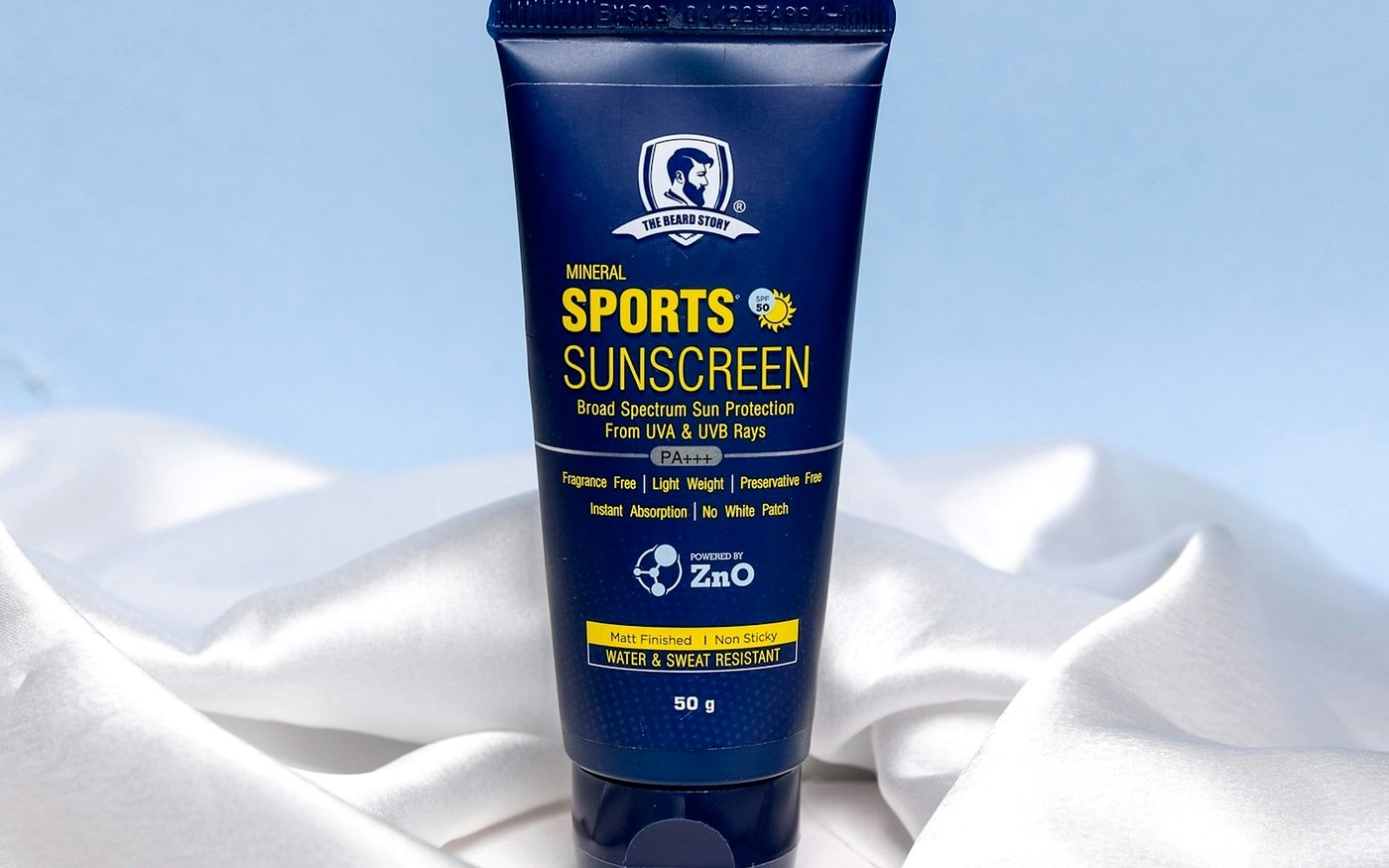
Ski and snow SPF: why winter trips are different
Snow trips can trick buyers because the air feels cold. Reflection, altitude and wind make comfort and reapplication more important, not less. A.
Sunscreen for travel: packing and reapplication guide
A travel sunscreen packing and reapplication guide for carry-on rules, outdoor days, beach bags and practical formats.
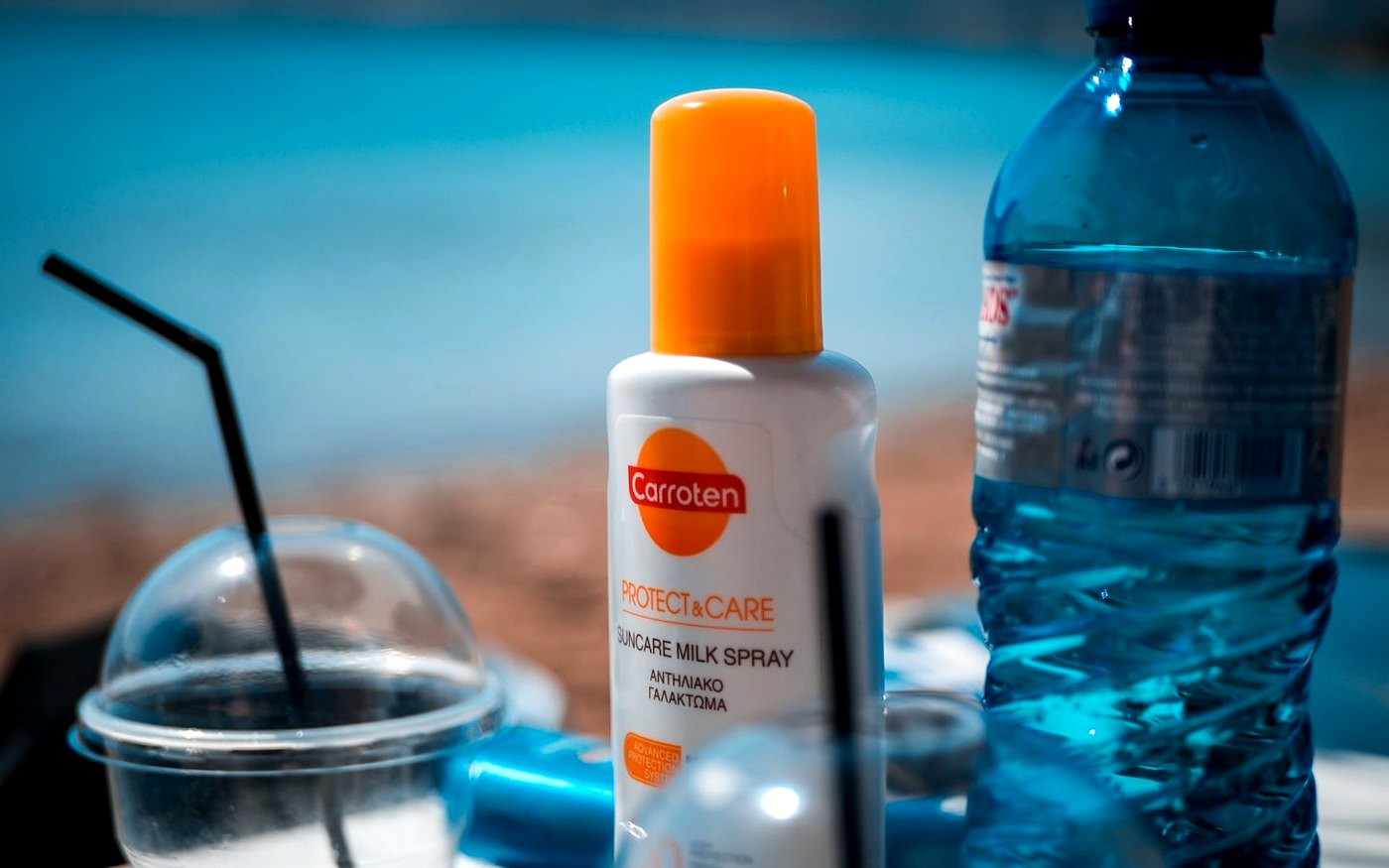
Water resistant SPF: what the label really means
What water resistant SPF labels mean in practice for swimming, sweat, reapplication and buying sunscreen for outdoor days.
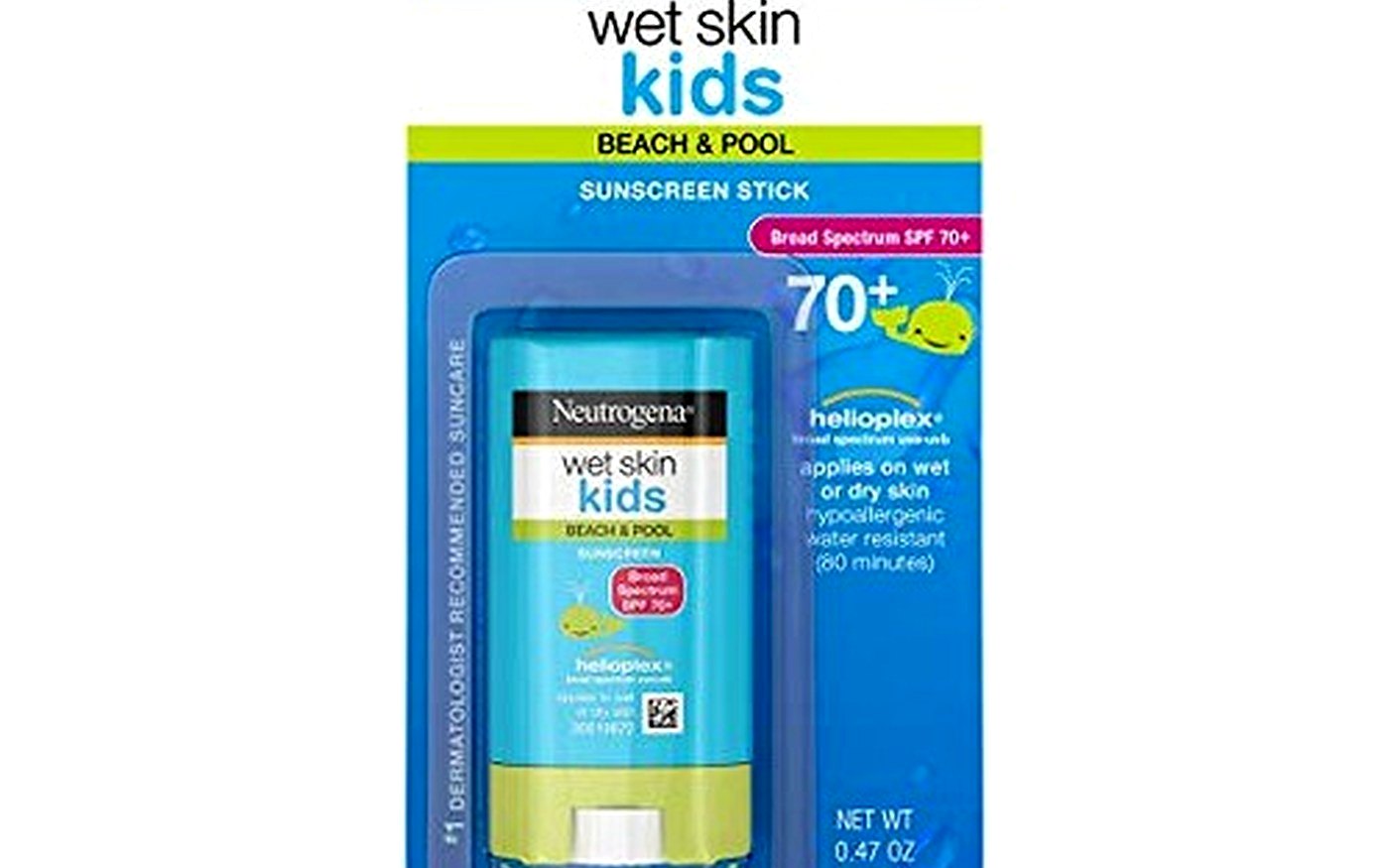
Water-resistant sunscreen for swimming: what to compare
Water-resistant is not waterproof. For swimming, the wording matters, but so does towel drying and how quickly people reapply afterwards. Treat the
Editorial method
How SPF Edit reviews, scores, updates, discloses links and avoids medical overclaiming.