Affiliate disclosure: SPF Edit may earn commission from affiliate links. Editorial criteria come first, and this article does not provide medical diagnosis or treatment advice.
Editorial note: Updated 5 July 2026 with fuller buying checks, current source links and clearer routine context.
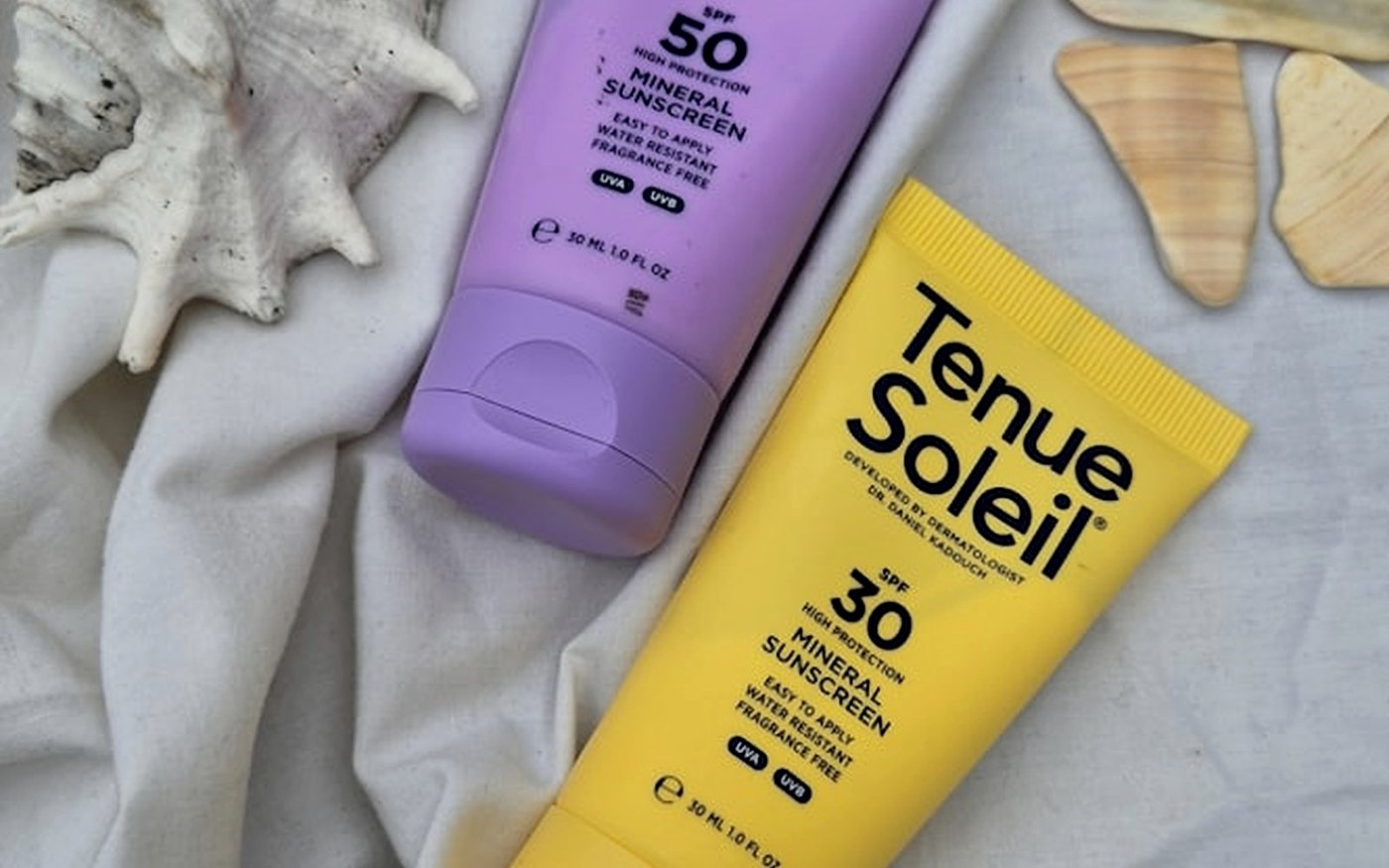
Mineral and chemical sunscreen comparisons often get reduced to a winner and loser. In real shopping, the useful differences are cast, texture, filter availability and how the product feels at the amount you need.
Use it as a buying filter. The point is to reduce noisy choices, not to create a perfect routine that falls apart on a normal morning.
Reader questions about mineral vs chemical sunscreen
Comparison articles should decide what changes in real use. Two products can share an SPF number and still behave very differently on skin, clothing, makeup or a beach towel. For this topic, the useful lens is UV language, label terms and how to compare claims without turning it into a chemistry exam. That makes the article less about chasing a fashionable bottle and more about deciding whether a product would be used correctly on an ordinary day.
The practical question is simple: does the product help with mineral filters without creating a new problem around chemical filters or white cast? If the answer is unclear, the product belongs on a maybe list, not at the top of a basket.
The label claim to read slowly for mineral vs chemical sunscreen
For Mineral vs chemical sunscreen, start by separating the regulated protection language from softer marketing words. SPF, UVA wording, directions and warnings deserve more weight than a front-label phrase that sounds reassuring but gives no application detail.
Read the claim beside the ingredient list and the directions, not in isolation. If the wording creates more questions than answers, keep the product on a comparison list rather than treating the claim as a verdict.
| Check | Useful for | Limit |
|---|---|---|
| Shared SPF number | Helps compare a baseline claim | Does not mean both products wear the same |
| Directions | Tells you how the brand expects the sunscreen to be used | Does not solve missed areas or skipped reapplication |
| Pack size | Shows whether the product fits daily or travel use | Does not tell you whether the finish will suit your routine |
Where the back of pack matters more for mineral vs chemical sunscreen
For Mineral vs chemical sunscreen, read this section as a practical checkpoint rather than a product verdict. The useful question is whether the advice still works when the day is rushed, the amount is realistic and the product needs to be reapplied.
The better question is how Mineral vs chemical sunscreen changes behaviour after the first application. Note the amount, the missed areas and whether the product is still comfortable enough to reapply later.
How to compare the claim in a normal routine for mineral vs chemical sunscreen
A more reliable comparison is to put Mineral vs chemical sunscreen beside the routine already in use. If the product only works in a perfect bathroom setup, it may not be the right everyday choice.
If two products look similar, choose the one with clearer directions, a format you will finish and fewer reasons to under-apply. The simplest reliable option usually beats the impressive-looking one.
Claims that need extra context for mineral vs chemical sunscreen
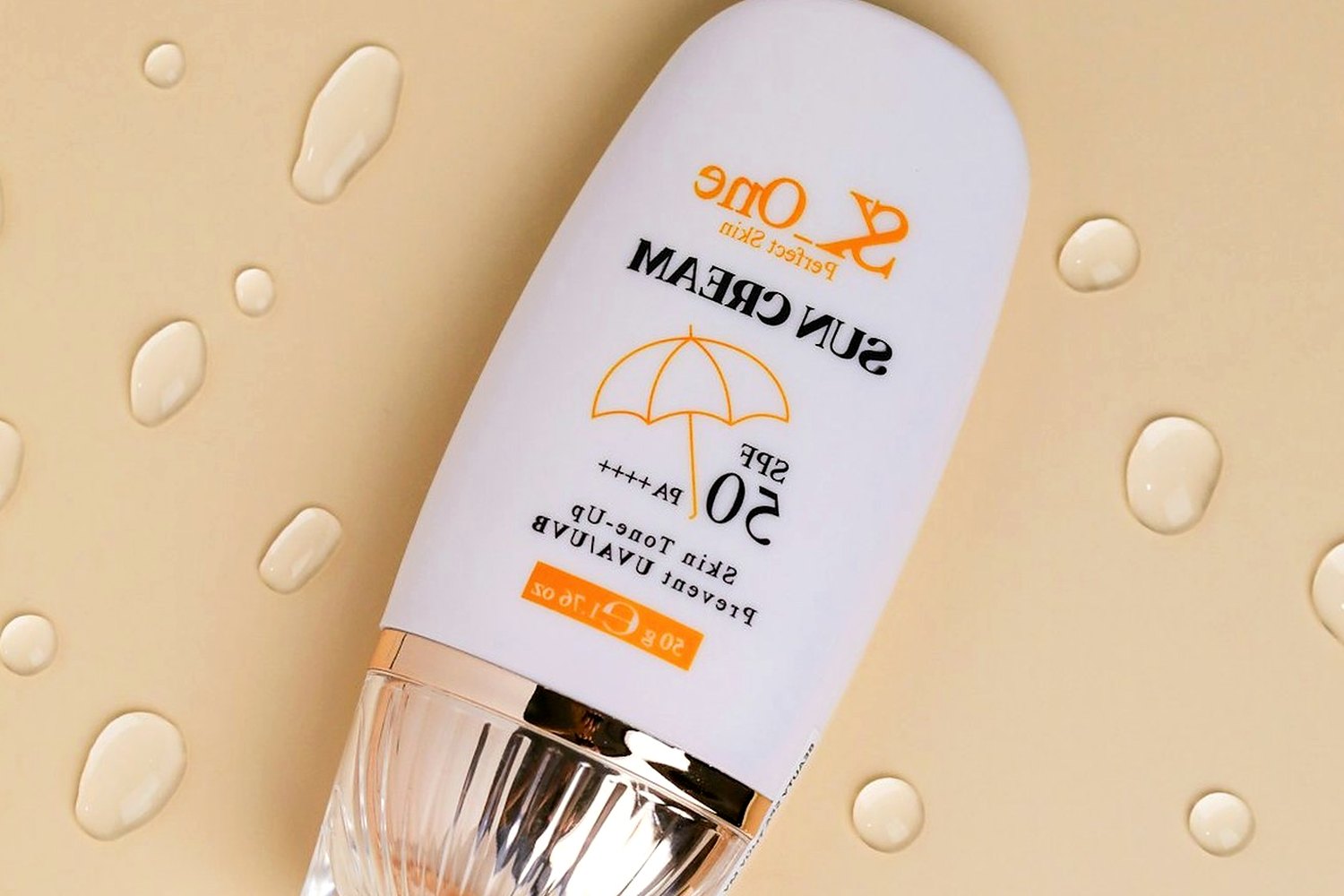
This is where the label has to meet behaviour. For Mineral vs chemical sunscreen, clear directions, comfortable texture and a format that can be replaced easily matter more than a polished front claim.
The limit is that a label cannot predict every face, routine or day outside. Use it to narrow the shelf, then let comfort and repeat use decide the final place in the basket.
Sources used for mineral vs chemical sunscreen
Product pages are useful, but they should sit beside public guidance on sun safety, label language and travel rules where relevant. Check current labels and local rules before buying.
Key decision points for mineral vs chemical sunscreen
Should I choose by mineral filters first?
Use mineral filters as the first filter, then check whether the product still works with your amount, routine and reapplication setting.
What if the product looks good but I use less?
Choose another formula. A sunscreen that encourages under-application is a poor match even if the finish is elegant.
Do I need a separate product for every situation?
Not always. Many readers need one dependable daily SPF and one practical option for sweat, water, travel or body use.
Bottom line: how to use this mineral vs chemical sunscreen guide
Filter type matters, but comfort and correct use matter more than a tidy label category. Use the guide to make a shortlist, then verify the current product label, size, availability and directions before you buy.
Editor checklist for mineral vs chemical sunscreen
Before treating mineral vs chemical sunscreen as a finished choice, run one more practical pass. The aim is not to find a perfect formula; it is to find the option that is easiest to apply generously, replace when empty and use again when the day becomes less convenient.
- label route: Read the front claim, directions and ingredient list together before deciding whether the wording is specific enough to trust.
- Amount: Decide whether the texture still feels acceptable at a realistic face-and-neck quantity, not at a tiny sample smear.
- Repeat use: Ask whether the bottle, tube, stick or spray will still make sense when you are tired, late or away from the bathroom mirror.
If the answer is mixed, keep the product as a comparison candidate rather than a recommendation. SPF Edit gives more weight to clear directions, repeatable use and honest limitations than to a polished front-label phrase.

Extra shelf note for mineral vs chemical sunscreen
Use extra shelf note for mineral vs chemical sunscreen to narrow the shelf, then check what would happen at lunch, after hand washing, during travel or under makeup. Those ordinary moments expose weak SPF choices quickly.
The editorial limit is simple: SPF Edit can compare claims and buying signals, but it cannot predict every skin response. For Mineral vs chemical sunscreen, keep one change at a time so the result is easier to read.
- Mineral does not automatically mean comfortable for every skin type.
- Chemical does not automatically mean invisible or irritating.
- The best choice is the one the reader will apply properly.
Shelf note: The practical difference is not only the filter family. Texture, cast, eye comfort, removal and local availability often decide which bottle someone actually finishes. Compare those everyday details before treating either category as automatically better.