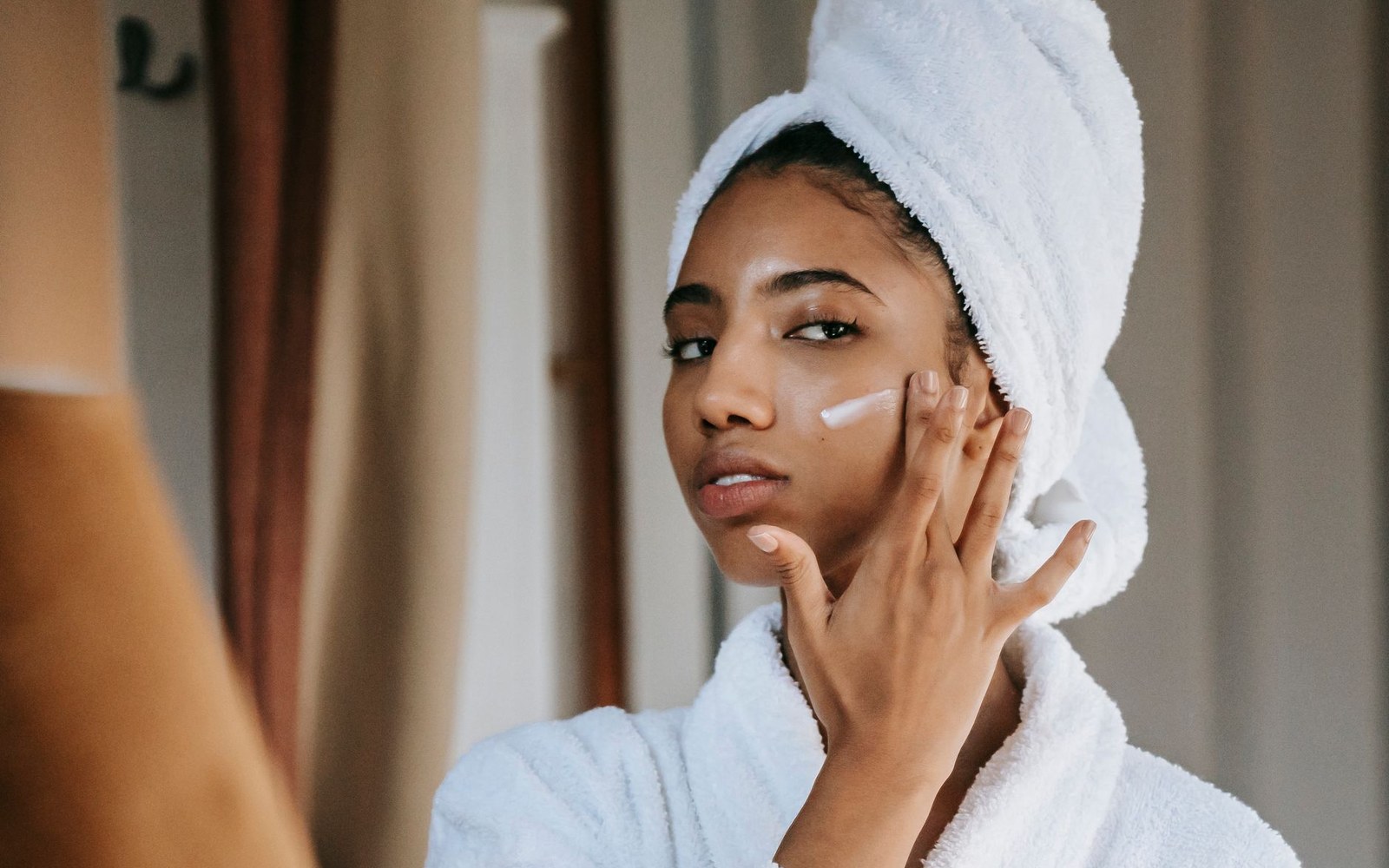
UV-camera sunscreen videos are persuasive because they turn an invisible film into a black-and-white image. Dark coverage can reveal missed patches around the nose, hairline and eyelids. It is not a live SPF score, a broad-spectrum test or proof that one formula protects better than another.
Why sunscreen often looks dark in reflected-UV photography
A reflected-UV camera records ultraviolet radiation reflected from the surface rather than ordinary visible light. When a sunscreen film absorbs or otherwise reduces the UV reaching the camera, the covered area can appear darker than uncovered skin. That contrast makes edges and missed spots easier to see.
The result depends on the wavelengths emitted by the light source, the wavelengths the camera can detect, the filters in front of the sensor, ambient light and the product itself. Two cameras may not render the same sunscreen identically. A dark patch is therefore an observation produced by a particular setup, not a universal unit of protection.
It also matters that SPF is established through standardised testing, not by matching a shade of black in a consumer photograph. The labelled number primarily describes protection against sunburn-producing UVB under test conditions, while broad-spectrum claims add a separate UVA requirement. Our guide to PA++++, the UVA circle and broad-spectrum wording explains why one front label can contain several different clues.
The useful part: finding coverage gaps
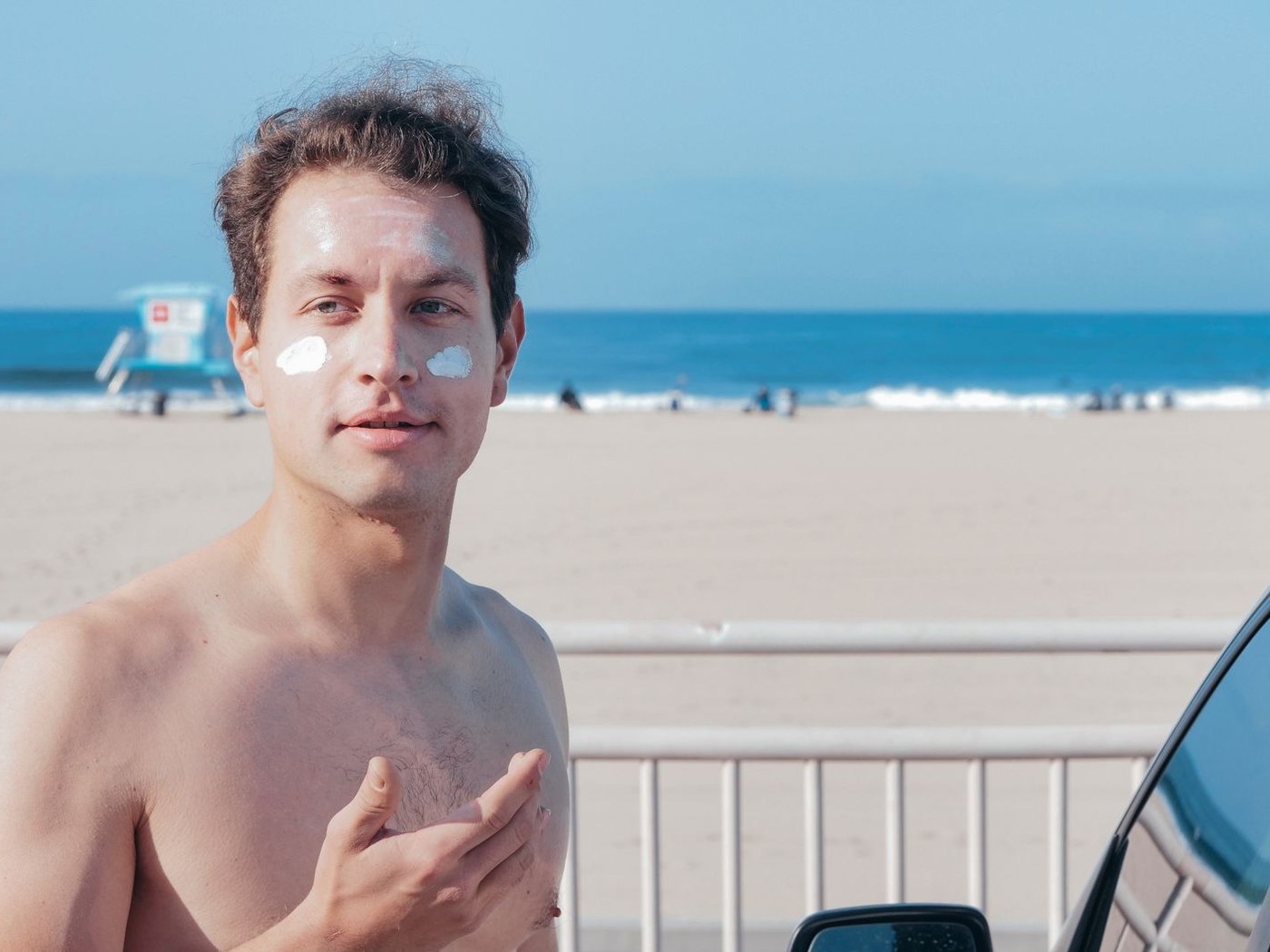
The best use of a UV image is educational. A person can apply sunscreen in the usual way, inspect the image and notice areas that were missed. Common gaps include the sides of the nose, temples, hairline, eyelid area, ears and the narrow strip between face and neck.
A 2023 study available through PubMed Central on UV photography and sunscreen coverage found that several UV-camera devices could visualise applied SPF products and support assessment of coverage. The researchers used controlled application amounts and image analysis. That is a different exercise from holding two bottles under a ring light and declaring a winner.
The feedback can improve technique. Divide the face into zones, use enough product for the full area, and check the difficult edges rather than repeatedly rubbing the centre of the cheeks. Our guide to how much sunscreen to use on face and neck gives a practical starting point, while the common SPF mistakes guide covers rushed application and forgotten areas.
Did I miss the side of my nose or the edge of my hairline?
Is this dark product exactly SPF 50 in real sunlight?
My first application versus my corrected application in the same setup.
Different people, cameras, amounts, filters and lighting ranked together.
What the image does not establish
It does not measure the SPF number
A darker image is not automatically a higher SPF. Camera response can reach a point where several products all look similarly dark even though their tested labels differ. Conversely, a product may render less dramatically under one device because its absorption profile and the camera’s sensitivity do not line up neatly.
It does not confirm broad-spectrum performance
A consumer camera sees a limited band. Broad-spectrum performance concerns protection across UVA and UVB ranges under formal test methods. A video cannot replace the label, regulator framework or product test documentation.
It does not prove authenticity
A suspect product appearing dark under UV does not prove it came from the named manufacturer. It may contain some UV-absorbing material and still be counterfeit, degraded or incorrectly labelled. For a purchase concern, use the seller and batch checks in our fake sunscreen authenticity checklist.
It does not show how the film survives a whole day
A photograph taken immediately after application says little about sweat, water, rubbing, sebum, towels or hours of facial movement. A sequence taken under the same controlled setup can reveal where a film appears to thin, but it still does not recreate a standardised water-resistance or SPF test.

A five-point check for viral UV-camera clips
- Was the amount controlled? A pea-sized dab and a generous measured layer are not comparable.
- Was the same camera and light used? Changes in exposure can make the second image look darker without a product difference.
- Was the product allowed to settle? A wet reflective surface can alter appearance.
- Is the claim limited to coverage? Statements about exact SPF or UVA performance need more than a photograph.
- Is the source linked? A cropped clip should not outrank the product label or a named study.
The American Academy of Dermatology’s sunscreen application guidance emphasises complete coverage, adequate quantity and reapplication. UV photography can reveal missed placement, but it cannot convert a phone accessory or social-media demonstration into an SPF test or authenticity certificate.
How to use a UV image without overcorrecting
If you have access to a suitable device, use it once to inspect technique. Apply the same sunscreen you normally wear, in the amount you intend to use, and check the image under consistent conditions. Correct missed areas gently. Do not keep layering indefinitely just to chase a perfectly black photograph; excessive product around the eyes or hairline may become uncomfortable and make future use less likely.
Save the first and corrected images only if that helps you remember a specific missed zone. Avoid treating the photographs as health records or sharing someone else’s face without permission.
For reapplication, the camera may show disturbed areas, but the everyday decision still comes from time outside, sweat, water and friction. The guide to reapplying sunscreen over makeup deals with that practical decision. If a clip makes a frightening health claim, use the source checks in our viral sunscreen headline guide.
Frequently asked questions
Does darker always mean better protection?
No. Darkness depends on the camera, light, product and amount. It can show coverage in one setup but does not rank SPF reliably.
Can a UV camera show missed sunscreen?
Often, yes, when the device and product are compatible. The contrast can reveal uncovered patches and uneven edges.
Can it tell whether sunscreen has expired?
No. Storage history, expiry, separation and label information still need to be checked directly.
Can I compare mineral and organic-filter sunscreens this way?
You may see different appearances, but the image is not a fair performance ranking unless the full test setup is designed for that purpose.
Is a UV-camera video evidence that a product is fake?
No. Authenticity requires a traceable seller, packaging and batch checks, and sometimes confirmation from the manufacturer.
Bottom line
UV photography is a mirror for application habits. It can expose the unprotected crescent beside the nose or the forgotten strip at the hairline. Keep the conclusion at that scale. The camera helps answer “where did the film go?” It does not answer “what exact protection did this product deliver in the sun?”