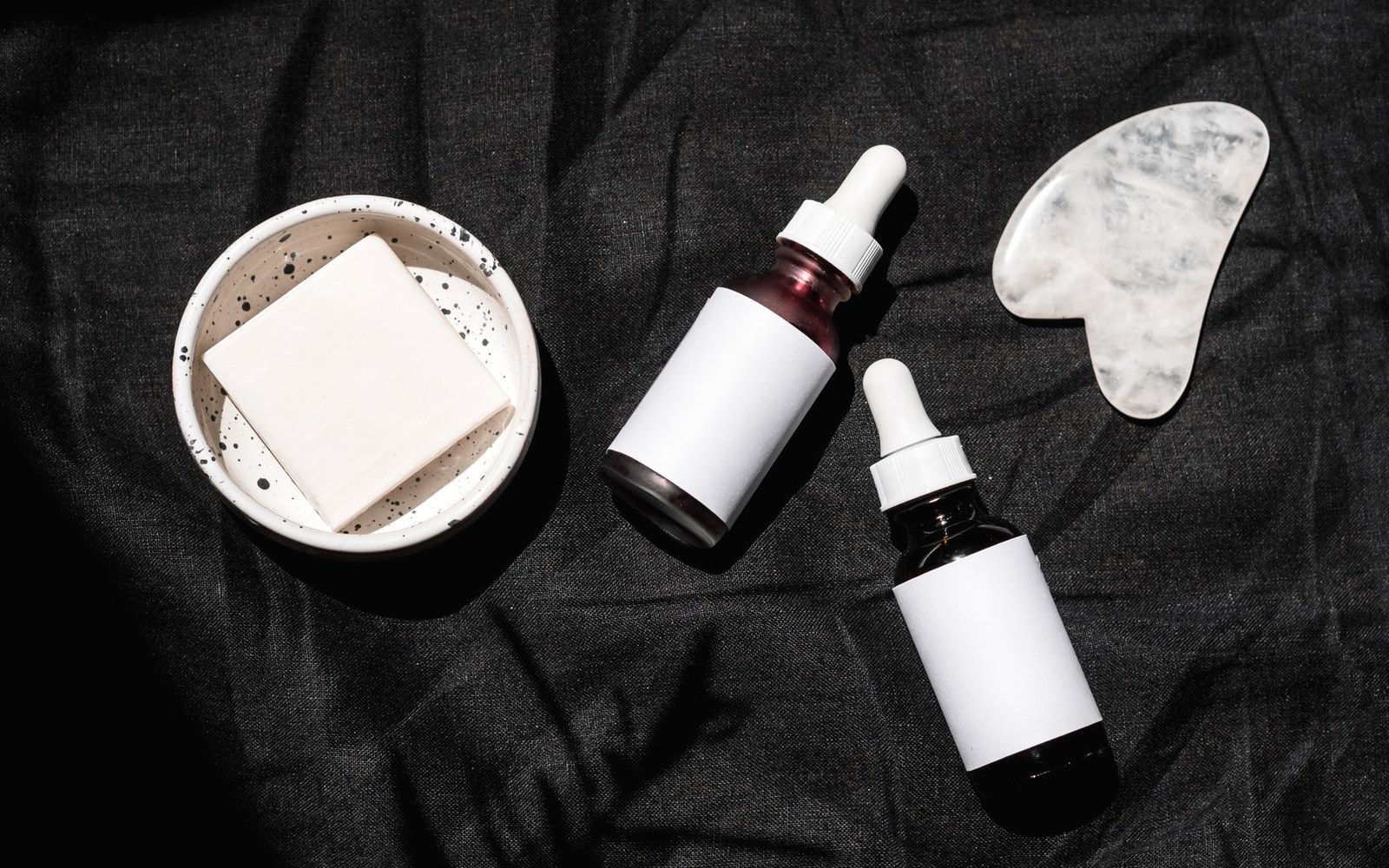
Sunscreen serums are one of this summer’s visible product trends: fluid textures, skincare ingredients and small dropper bottles that promise a lighter morning routine. The texture can make daily use easier. The dropper can also encourage skincare-sized dosing, even though the product must still be applied as sunscreen.
“Serum” describes the experience, not a lower application standard
There is no single sunscreen-serum recipe. The name usually points to a thin, fast-spreading texture and the inclusion of familiar skincare ingredients such as humectants, niacinamide or antioxidants. Some are clear organic-filter fluids; others are mineral milks or tinted hybrids. What connects them is the attempt to feel less like a conventional cream.
That can be useful for people who skip sunscreen because heavy textures feel hot, greasy or difficult under makeup. A fluid product may spread quickly across facial curves and sit more comfortably in humid weather. It may also dry faster at the edges, run toward the eyes or encourage an application so thin that it disappears before coverage is complete.
Judge the product first as sunscreen. Look for the SPF, broad-spectrum or market-specific UVA information, directions, water-resistance claim if relevant, pack size and expiry. The added skincare ingredients are secondary. Our sunscreen label guide helps translate the front and back panels without letting a fashionable texture name dominate the decision.
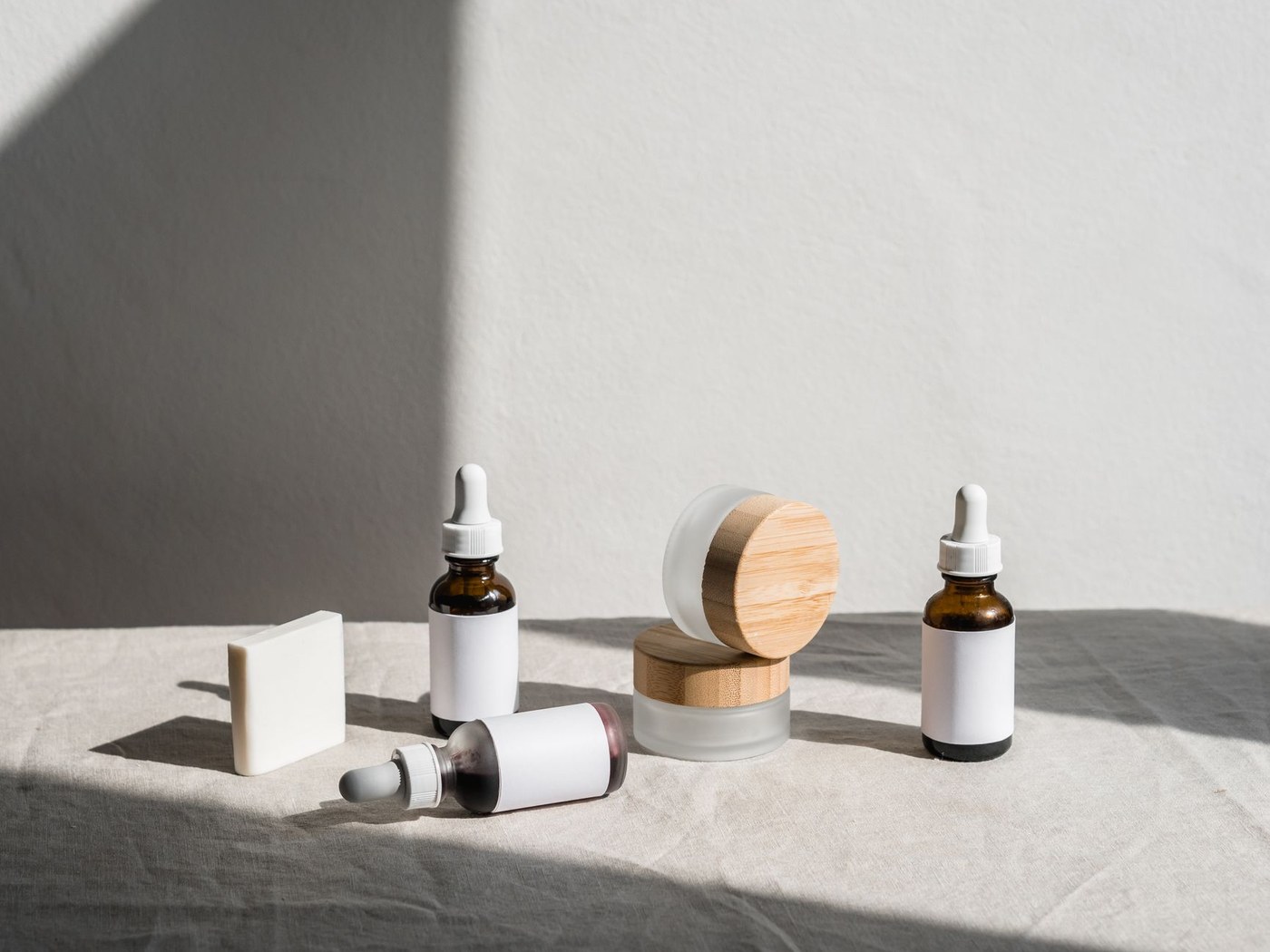
The dropper creates a familiar but misleading habit
Ordinary treatment serums are often used in small amounts. Consumers learn to place three or four drops on the face and spread them thinly. When sunscreen arrives in similar packaging, that habit can transfer automatically even if the directions require much more.
Drop size is not standard. It changes with the pipette opening, formula viscosity, angle, squeeze pressure and how full the bottle is. “Use ten drops” is therefore not a universal instruction unless the manufacturer has defined it for that specific pack. The same problem affects social-media demonstrations that use a number of drops without showing the neck, ears or final coverage.
A thin formula can also make finger-length rules imprecise. A runny line may be longer but contain less product than a thick cream line, or it may drip away before application. Use the bottle’s directions first. If the directions are vague, apply in controlled zones and compare the amount with the practical guidance in how much sunscreen to use on face and neck.
Fast spread, lower residue and easier makeup layering for some routines.
Skincare-sized drops can create a very thin, incomplete film.
Small bottles empty quickly when the sunscreen is used generously.
Very fluid formulas can migrate before they set.
A more controlled way to apply a runny sunscreen
- Shake if instructed. Fluid formulas may depend on proper mixing before each use.
- Use dry hands and a stable surface. A pipette held over a palm is easier to control than drops placed directly on the face.
- Divide the face and neck into zones. Forehead, each cheek, central face, chin, jaw and neck all need deliberate coverage.
- Apply in two passes if needed. Two thinner complete passes can be easier to control than one pool that runs toward the eyes.
- Let the film settle. Add makeup only when the surface no longer moves under light touch.
- Check the bottle pace. If a tiny bottle lasts for months of daily face-and-neck use, reconsider whether enough is being applied.
Two passes do not mean mixing the sunscreen with moisturiser or foundation. Keep the formula intact and place it directly over the completed skincare routine. If the serum is comfortable without moisturiser, removing that extra layer can reduce pilling. Compare the options in moisturiser with SPF versus separate sunscreen.

How serum SPF behaves under makeup
The strongest advantage may be low bulk. A thin sunscreen can sit under foundation with less slip than a rich cream, especially when the rest of the morning routine is simple. Problems appear when several “glowy” layers stack together: hydrating serum, moisturiser, sunscreen serum, illuminating primer and dewy base.
If makeup separates, change one variable at a time. First remove a redundant serum or moisturiser. Next reduce rubbing and allow the sunscreen to settle. Do not solve pilling by cutting the sunscreen amount. Our guide to stopping sunscreen pilling explains why product quantity, drying and application motion need separate adjustments.
Finish also matters. A serum can be invisible but glossy, or fast-drying but slightly tight. “Weightless” is not the same as matte. Buyers who prefer a luminous finish can compare the framework in dewy sunscreen without looking greasy; those who dislike runny formulas may prefer the more cushioned texture described in our gel-cream sunscreen guide.
A label and packaging checklist
| Check | Why it matters |
|---|---|
| SPF and UVA wording | Confirms the product is presented as sunscreen, not merely a serum with vague UV language |
| Exact directions | Shows whether the maker defines drops, pumps, shaking or reapplication |
| Pack size | Helps estimate how quickly a daily face-and-neck application will empty the bottle |
| Water resistance | Separates a light daily formula from a product intended for sweat or swimming |
| Dropper hygiene | Avoid touching the pipette to skin and return it cleanly to the bottle |
| Storage | Thin formulas in small glass packs may still need protection from heat and direct sun |
The American Academy of Dermatology’s application guidance makes the practical standard clear: coverage and quantity still matter, whatever the texture or bottle. The FDA sunscreen guide adds the broader rule to use enough product and reapply as directed, especially after swimming or sweating.
Frequently asked questions
Are sunscreen serums real sunscreen?
They can be, when the product carries the appropriate SPF and UVA or broad-spectrum labelling for its market. Read the label rather than relying on the word serum.
How many drops should I use?
Follow the specific bottle directions. Drop size varies, so a universal number from another product is unreliable.
Can a sunscreen serum replace moisturiser?
For some skin and formulas, yes. If the sunscreen feels comfortable alone, removing moisturiser may simplify the routine. Dry skin may still need both.
Can I mix it with foundation?
No. Apply sunscreen as its own complete layer, let it settle, then add foundation.
Is a serum sunscreen suitable for sport?
Only if its label and water-resistance directions fit the activity. A light daily serum is not automatically designed for heavy sweat or swimming.
Bottom line
Sunscreen serum is a texture option, not a shortcut around sunscreen use. The format is valuable when it removes the heaviness that makes someone skip SPF. It becomes less reliable when the dropper encourages a decorative skincare dose. Choose the finish for comfort, then apply it with the discipline of sunscreen.