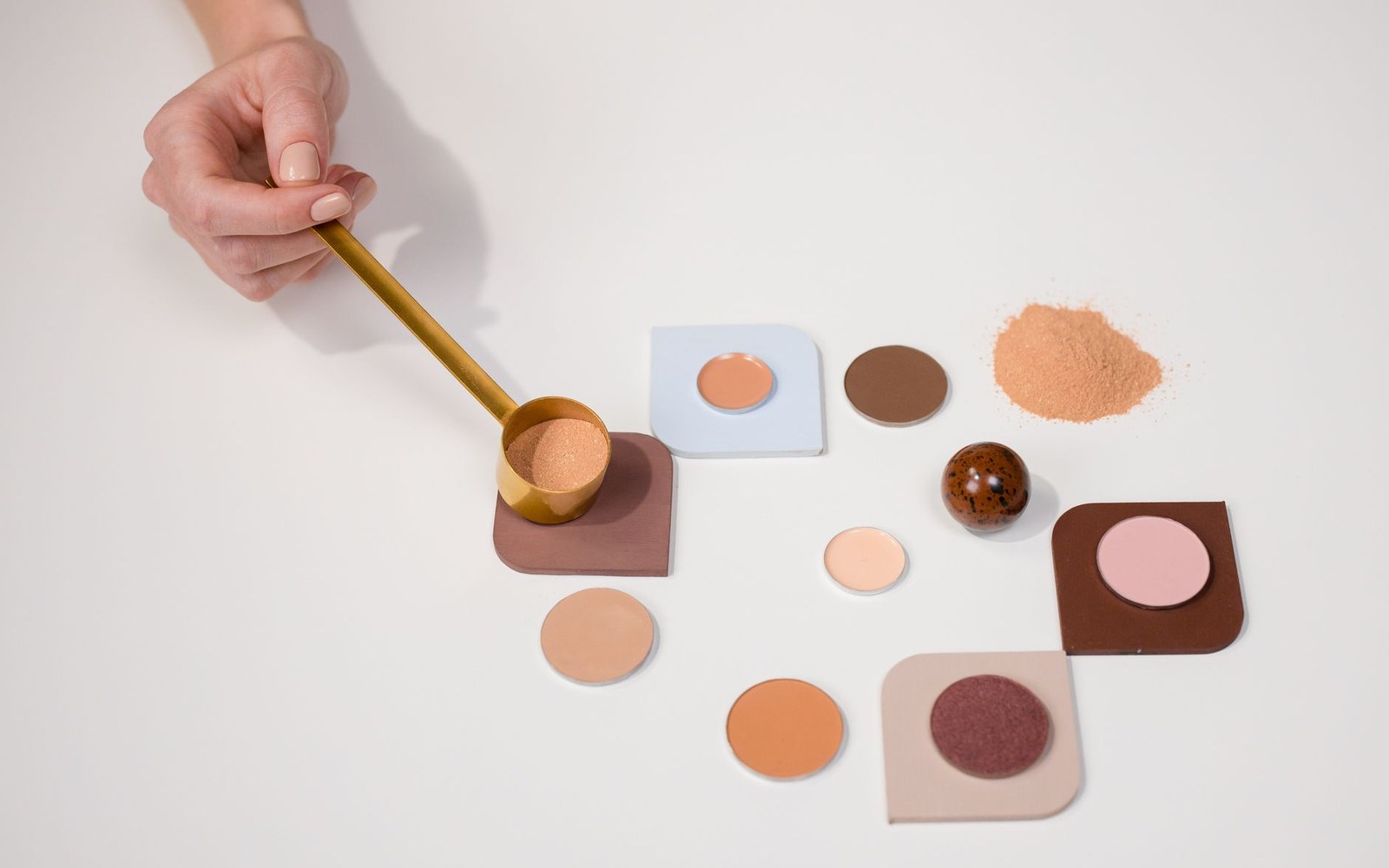
Powder sunscreen is popular because it fits the moment when ordinary sunscreen is least convenient: the face is shiny, makeup is already on, and there is no sink nearby. That makes powder a useful touch-up tool for some people. It does not make a few quick brush strokes an easy replacement for a complete morning sunscreen layer.
Why the format is having a strong summer
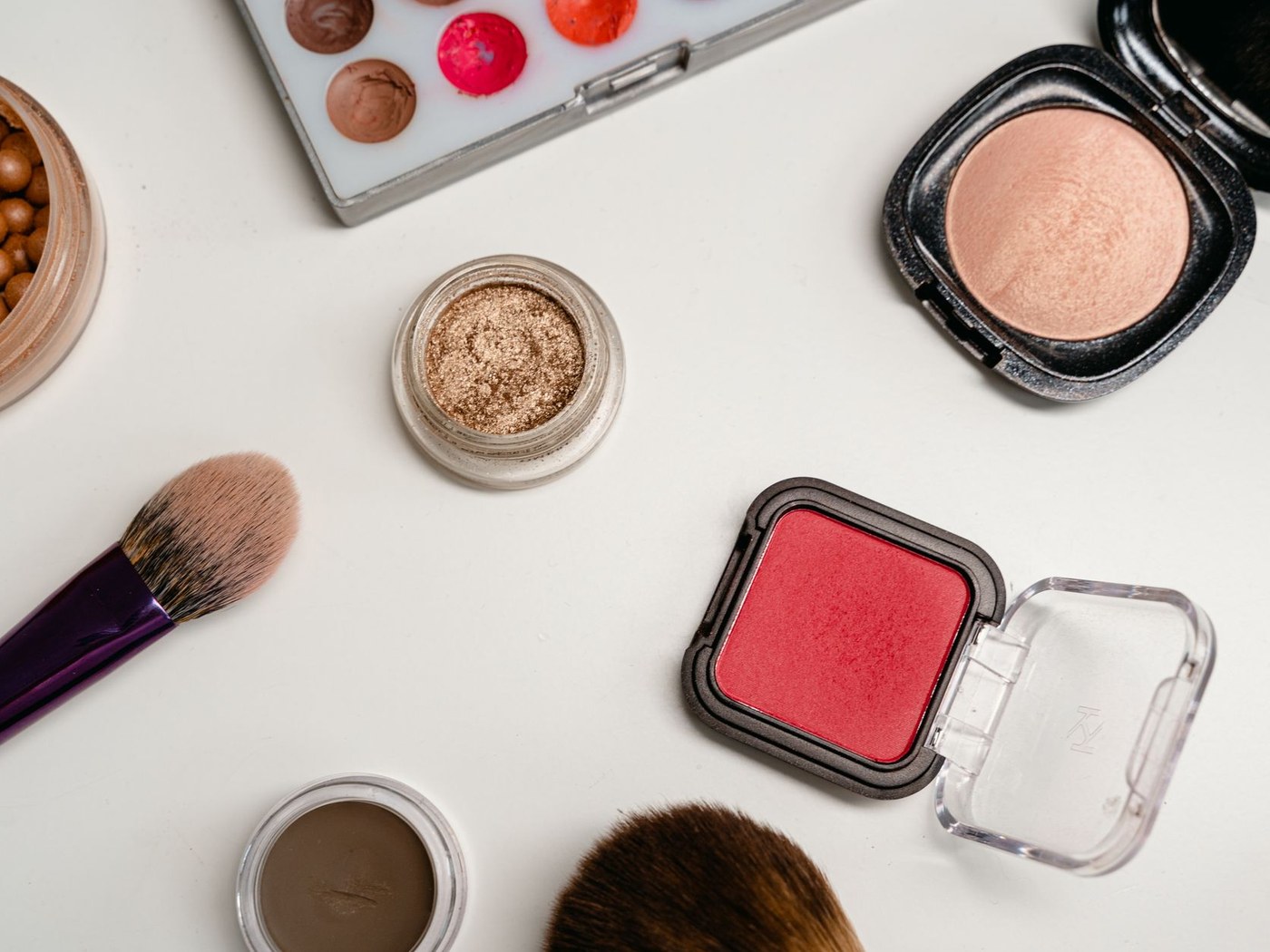
Recent beauty coverage has treated powder SPF as a fast-growing category, with brush-on formats promoted for portability, shine control and makeup-friendly reapplication. Those benefits are real. A self-contained brush is easier to use on a train platform than a runny lotion, and a fine powder can reduce surface shine without lifting an entire base.
The convenience can also hide the amount being applied. Liquid sunscreen gives visible feedback: you can see a line on the fingers or a pool in the palm. A brush releases an uncertain quantity, and much of it may remain in the bristles, drift into the air or land on the first high point of the face.
This is why product role matters. A powder can improve a touch-up that otherwise would not happen. It is a weaker choice when it persuades someone to replace a reliable morning application with three invisible swipes.
The brush makes coverage hard to judge
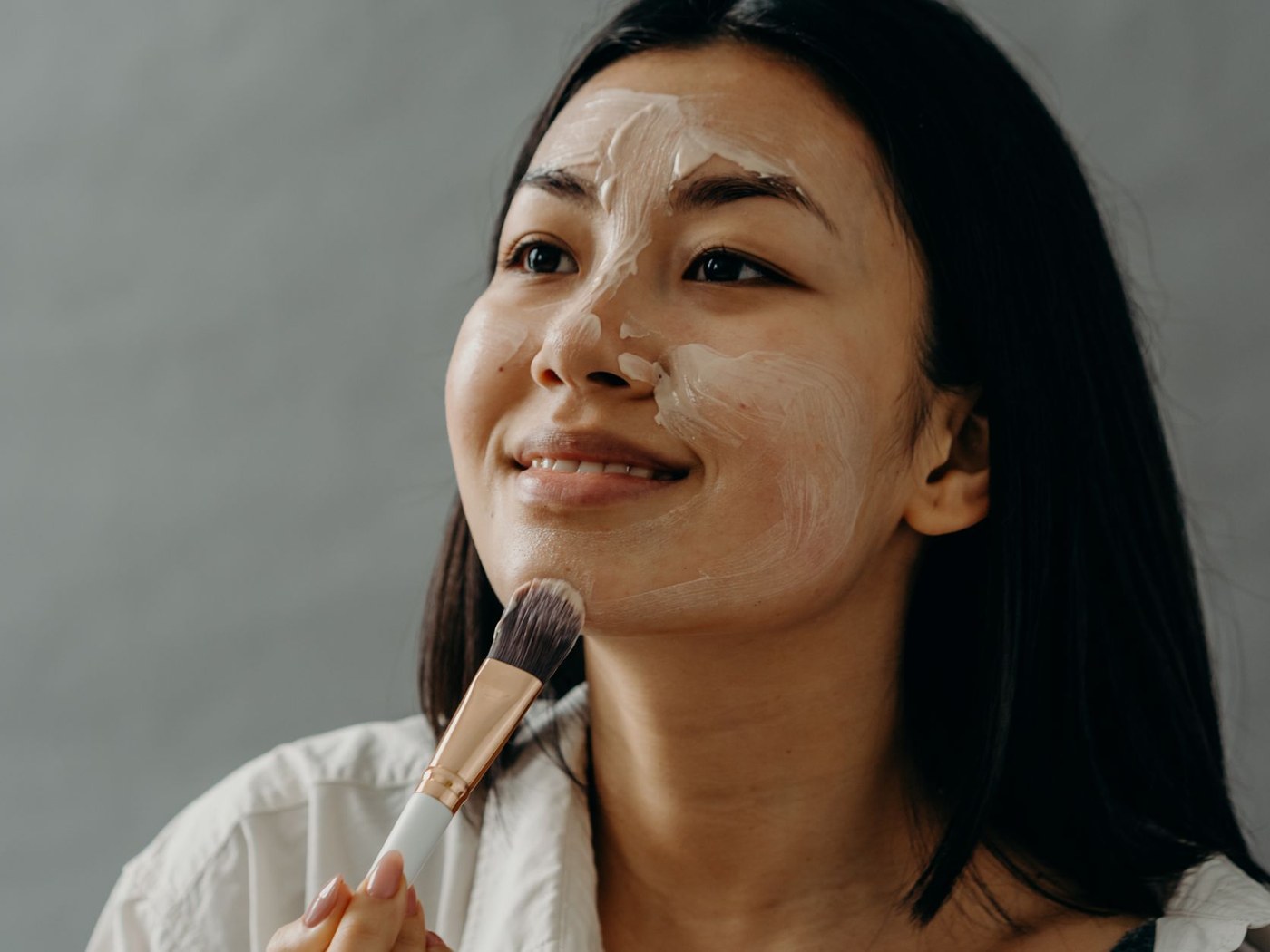
The labelled SPF applies when the product is tested and used under its directions. With powder, the consumer has to load the brush, distribute product across curved facial areas and repeat enough passes to approach an even film. A single dusting can look cosmetically finished long before coverage is complete.
Pay attention to the delivery mechanism. Some brushes need to be tapped, twisted or primed before powder reaches the tips. If the pack says to sweep repeatedly or apply generously, one pass is not following the directions. Use a mirror in good light and work in zones: forehead, each cheek, nose and central face, chin, jaw and exposed neck. Avoid breathing the loose powder and keep it away from the eyes and mouth.
Oily skin adds another variable. Powder can cling heavily to sebum in one area while barely transferring to a dry patch. Blot excess oil gently first rather than scrubbing the existing sunscreen and makeup away. For morning finish choices, see sunscreen for oily skin without heavy shine and matte sunscreen without a chalky finish.
A brief city touch-up on dry skin when shade and indoor time do most of the remaining work.
The only protection before a beach day, run, hike or long period in direct sun.
Product stuck inside bristles, uneven colour, airborne dust and missed neck edges.
A separate lotion or fluid for the morning base and demanding reapplication moments.
A realistic powder-over-makeup sequence
- Start with a proper morning layer. Apply the face sunscreen evenly and let it settle before makeup.
- Blot rather than wipe. At touch-up time, press away excess oil or sweat with a clean tissue.
- Prime the brush as directed. Confirm powder is actually reaching the bristle tips.
- Work in small zones. Use repeated passes according to the pack instead of one broad flourish.
- Check edges. Hairline, jaw, ears and the sides of the nose are easy to miss.
- Escalate for outdoor exposure. If the next hours involve strong UV, sweat or water, use a more substantial reapplication method.
Makeup creates a trade-off: preserving the base versus applying enough sunscreen. Powder leans toward preserving makeup. A lotion, fluid or complete reset leans toward a more controllable amount. The right answer changes with the day. Our reapplication over makeup guide compares pressing, sponging and rebuilding the base.
Use the next two hours as the decision window
A touch-up before a short walk back to the office is not the same decision as a touch-up before two hours at an outdoor table. Ask what happens next. If most of the period will be indoors or in shade, powder may be a reasonable supplementary step. If the plan involves direct sun, a high UV index, sweat or no reliable shade, move to a format that gives clearer feedback about the amount applied.
This time-window check prevents the format from becoming a personality test. Powder is not “good” or “bad” in isolation. It is either adequate for a limited role or being asked to do a job that its delivery system makes difficult.
Powder, stick, spray or lotion?
| Format | What it does well | Main application risk |
|---|---|---|
| Powder | Portable, reduces shine, disturbs makeup less | Applied amount is difficult to see |
| Stick | Precise around small exposed areas | Too few passes and missed curves |
| Spray | Fast for larger body areas | Drift, incomplete rubbing and under-application |
| Lotion or fluid | Easier to distribute as a visible base layer | Can move makeup and feel inconvenient away from home |
Read our separate guides to sunscreen sticks and spray under-application before treating every portable format as interchangeable.
What to read before buying a powder SPF
- Broad-spectrum wording: check the market-appropriate UVA information as well as the SPF number.
- Directions: look for clear loading, application and reapplication instructions.
- Brush design: a closure should keep the brush clean in a bag and prevent uncontrolled leakage.
- Shade and cast: tinted powders can build colour or look ashy when enough is applied.
- Skin comfort: dry or flaky skin may dislike repeated powder, while very oily skin may produce patchy adhesion.
- Warnings: follow instructions about inhalation, eye area and damaged skin.
The American Academy of Dermatology’s application guidance stresses generous, complete coverage and regular reapplication. The FDA sunscreen guide likewise says to use products as directed, especially after swimming or sweating. A powder touch-up is easiest to judge against those standards rather than against how invisible it looks over makeup.
Frequently asked questions
Can powder sunscreen be my only face SPF?
The format makes a complete, even amount difficult to judge. A lotion or fluid is usually easier to control as the main morning layer.
Does powder SPF work over foundation?
It can be less disruptive than a wet product, especially after blotting. The trade-off is uncertainty about how much reaches the skin.
How many brush passes are enough?
Follow the specific product directions. There is no universal swipe count because brushes and powder flow differ.
Is powder sunscreen suitable for dry skin?
It may catch on flakes and increase tightness. Test the finish on a normal day before depending on it for travel or an outdoor event.
Should I use it after swimming?
A substantial water-resistant lotion or fluid is easier to apply evenly after towel drying. Powder is a poor match for wet skin.
Bottom line
Powder SPF solves a genuine routine problem: people often avoid wet reapplication over makeup. Use that convenience deliberately. Keep a controllable base layer in the morning, follow the powder directions rather than performing a token swipe, and switch to a more substantial method when the next part of the day involves strong UV, sweat or water.